Cavitation and mixing
Physical treatment and fluid mixing in the process line.
Flow · pressure · fluid
JET-CAVSHEAR-CAVFour pieces of hardware, one job: get gas, nutrient and chemistry into water, and measure what changed. Injectors, oxygen generation, cavitators, and the meter that reads the result.
Physical treatment and fluid mixing in the process line.
Flow · pressure · fluid
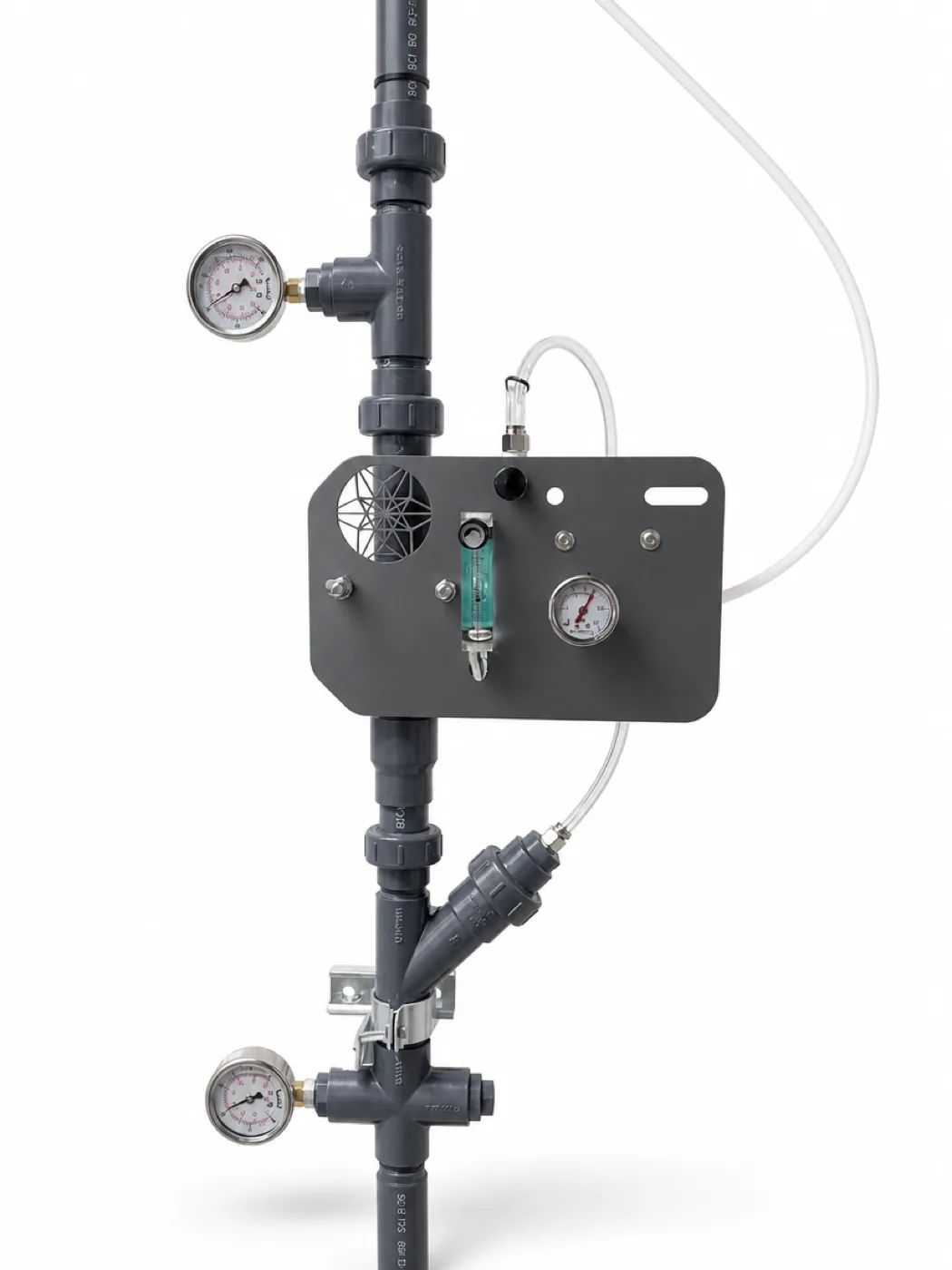
JET-CAVSHEAR-CAVDistribute the selected gas into the water already circulating.
Pipe · flow · gas
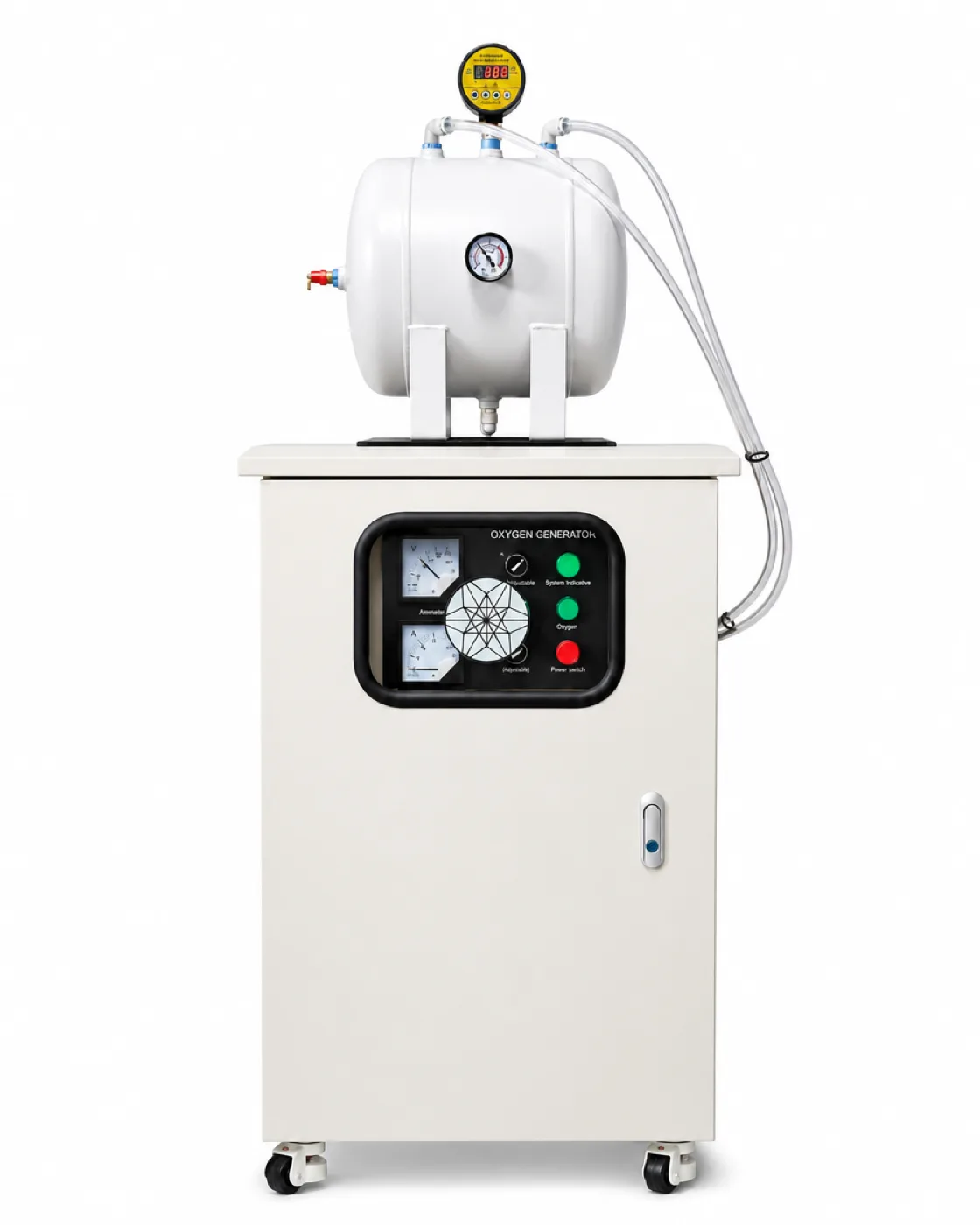
SpecificationsMatch oxygen generation to the equipment’s gas demand.
Gas demand · pressure · hours
SpecificationsCompare water readings with the agreed baseline.
Range · measurement points
SpecificationsProcess water → sized hardware → measured outcome
Pick the row that looks like your operation. Sizes and flow ranges are on each datasheet.
Batch tank or drip: the injector ties into the feed line, and the concentrator supplies its oxygen. Add the DO meter to read the result.
Tell us: pipe size · flow · tank or drip
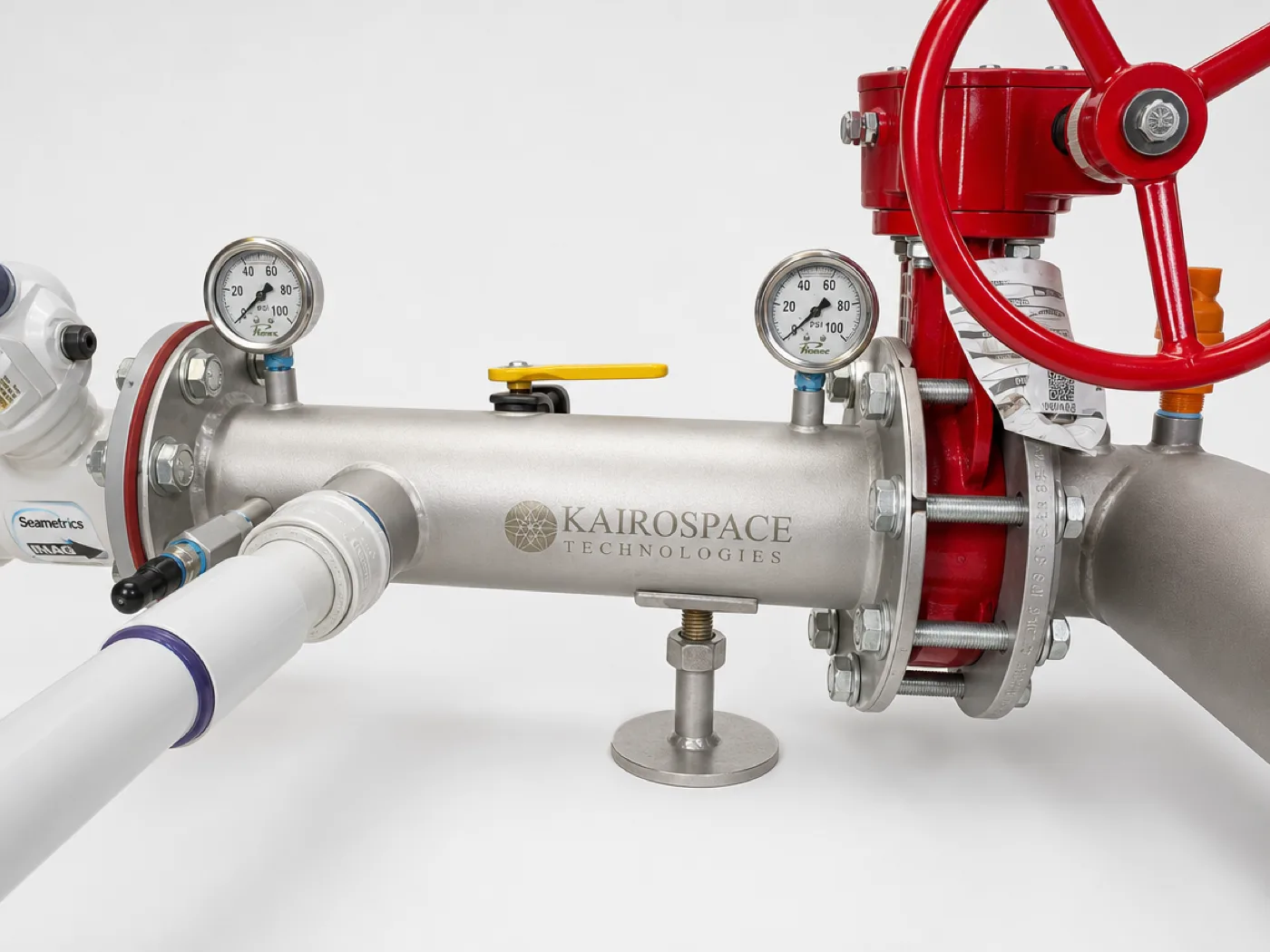
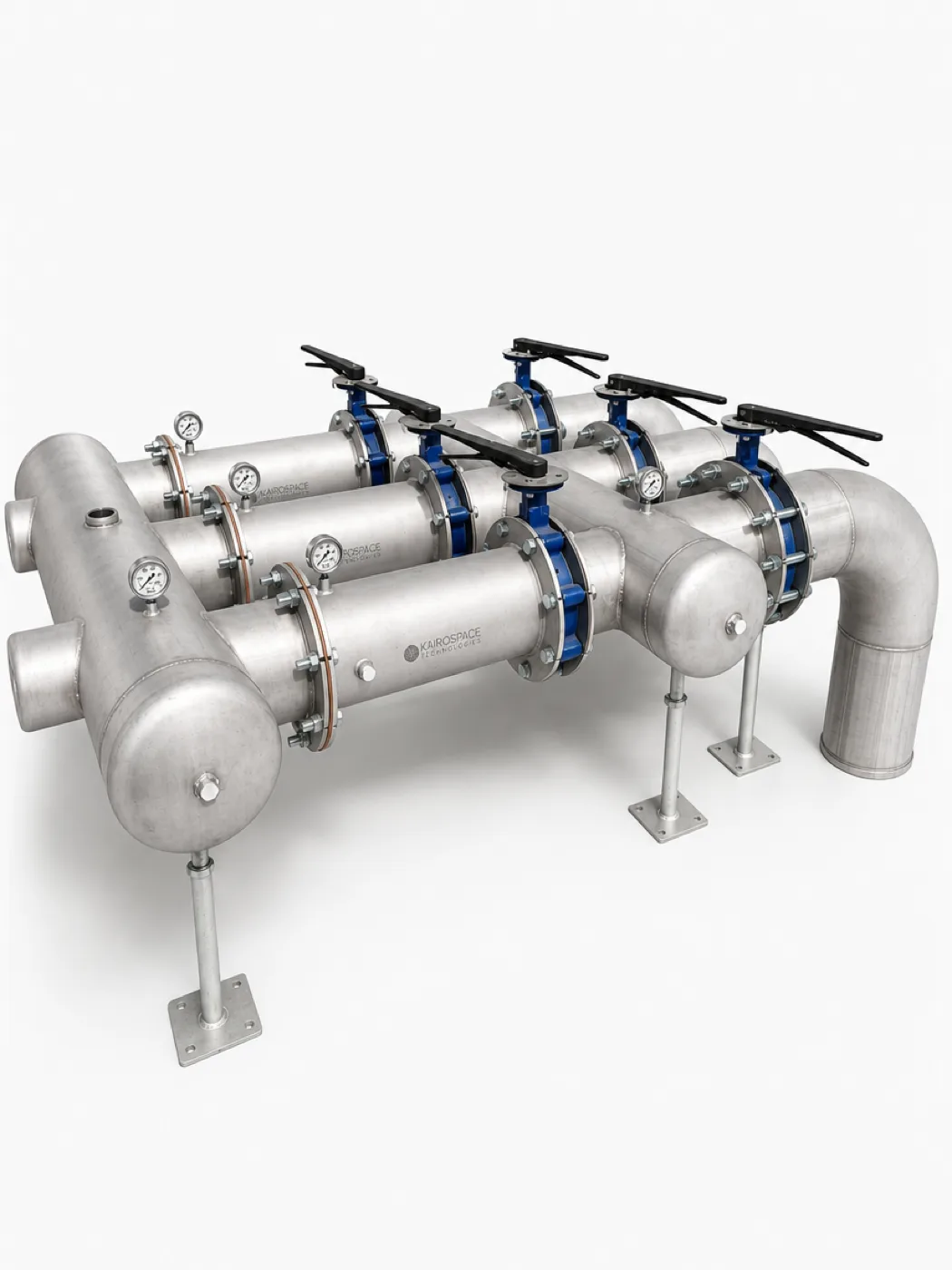
Injector datasheetConcentrator datasheetA flanged injector sits on the main line after the pump. Banks of injectors in parallel scale to higher flow.
Tell us: main size · flow · pressure at the injection point
Injector datasheetConcentrator datasheetOxygen demand follows feed rate, so we size the injector and the concentrator from your daily feed, not from tank volume.
Tell us: feed per day · flow · water source
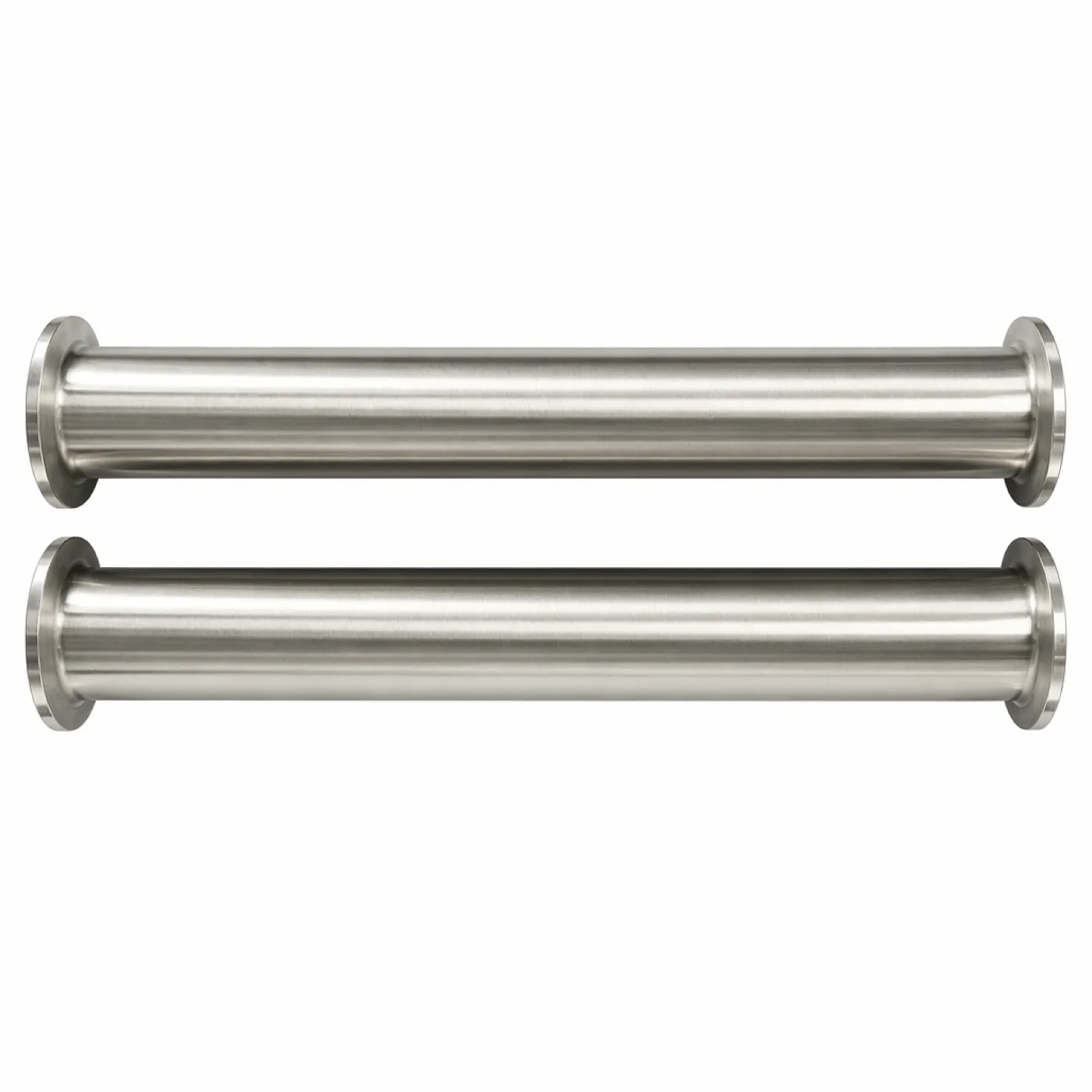
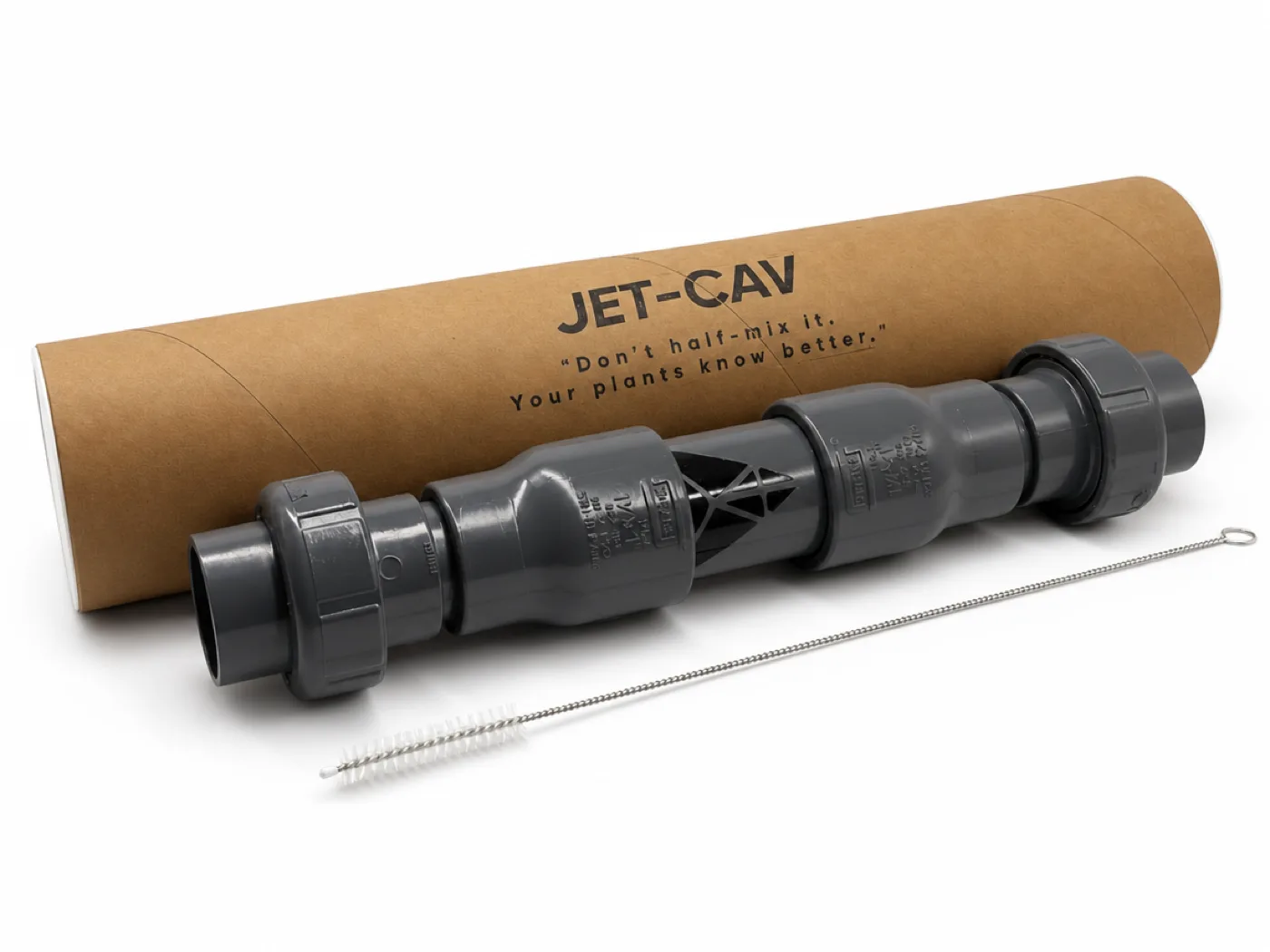
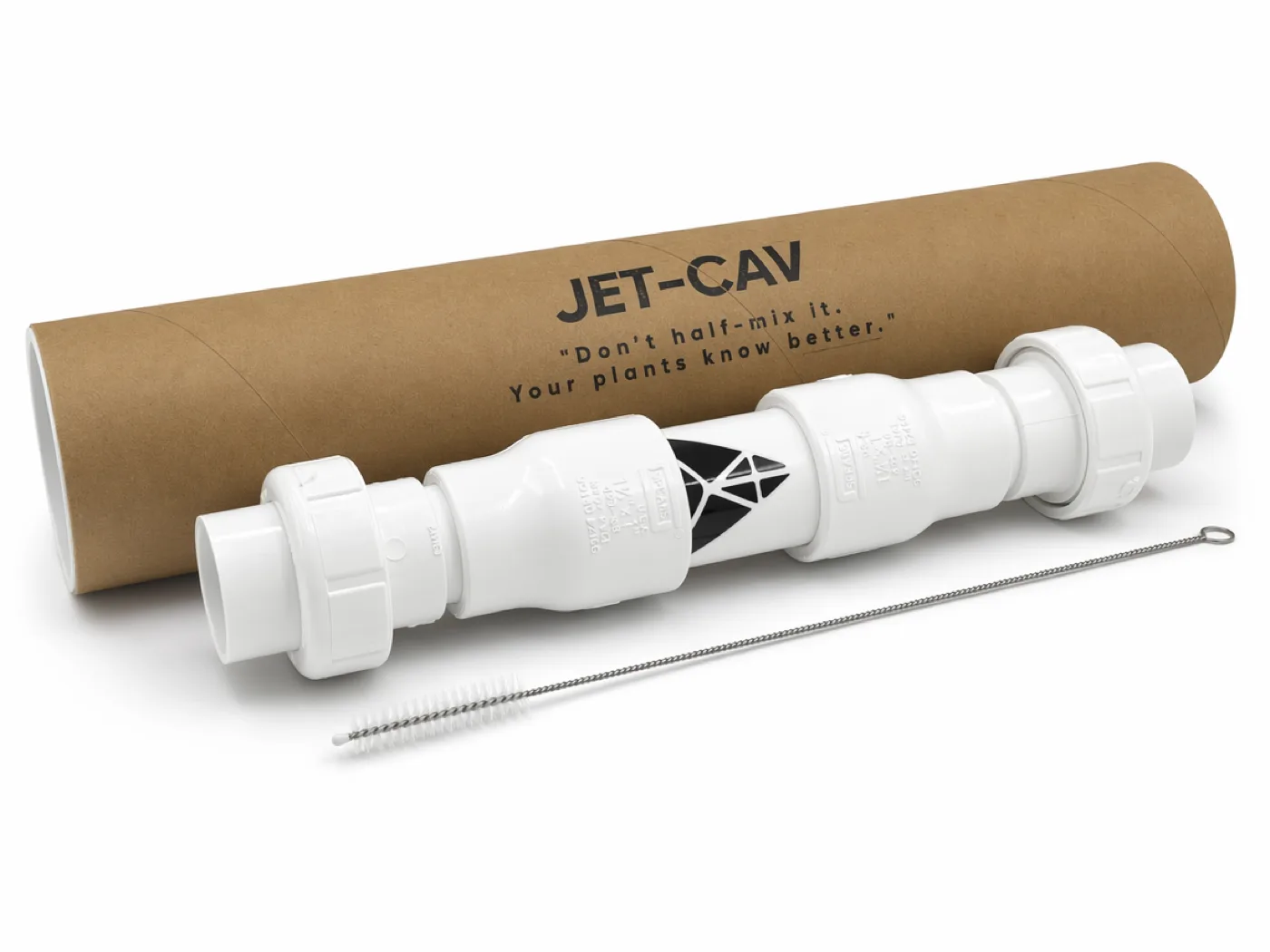
Injector datasheetConcentrator datasheetSHEAR-CAV for single-pass main lines and high-flow transfers; JET-CAV for batch tanks, reservoirs and recirculation loops.
Tell us: flow · line pressure · fluid
JET-CAV datasheetSHEAR-CAV datasheetOur cavitators need no added gas. They use the kinetic energy of the flow itself to create local pressure collapse and intense shear at the microscale. What that does to your fluid depends on flow, dose and passes, so we test it on your water before we size the unit.
Shear and collapsing bubbles act on waste activated sludge solids to speed up hydrolysis, the slow first step of digestion.
Hydrodynamic cavitation acts on heavy molecular chains and asphaltenes without diluents. Published trials of cavitation (not tests of our hardware) report viscosity reductions of up to 40%, and 33–84% across the literature, depending on crude, temperature and shear.
Cavitation can form hydroxyl radicals (·OH) in the water itself, alongside the local pressure collapse and shear.
Intense shear mixes fluids and forms fine emulsions and blends in a single pass through the line.
Best for: Main lines, single-pass irrigation, and high-flow transfers.
Uses fluid velocity to generate intense shear in a single pass, with no gas feed to plumb.
Best for: Batch tanks, reservoirs, and active mixing loops.
Designed for variable-pressure environments. Creates a high-impact mixing zone that keeps solids in suspension and limits sludge build-up.
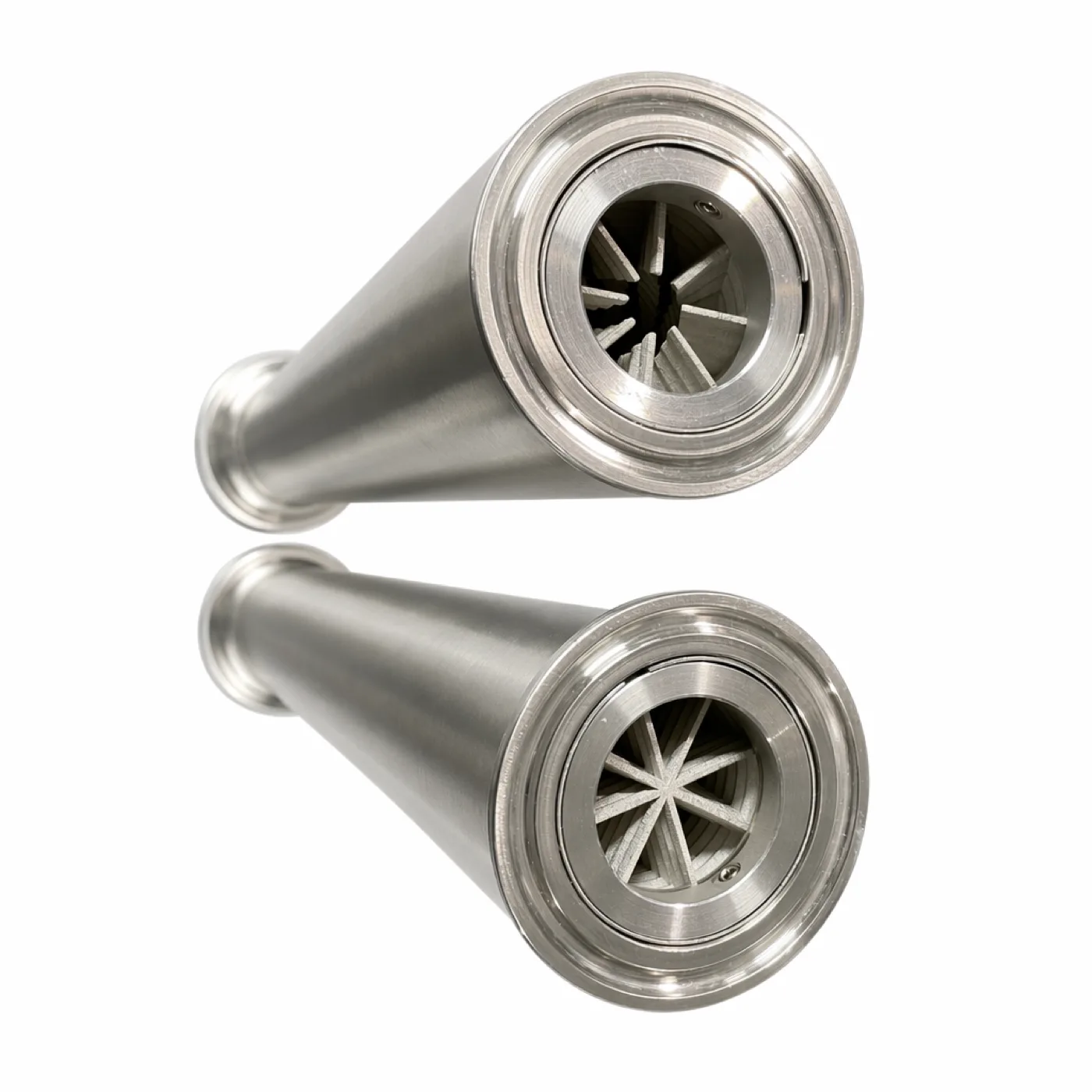
Our injectors combine our cavitators with metered gas injection. Unlike a diffuser, they shear gas into billions of nanobubbles (<200 nm; bubble size characterized by an independent laboratory using nanoparticle tracking analysis). Ultrafine bubbles persist in water far longer than coarse bubbles.
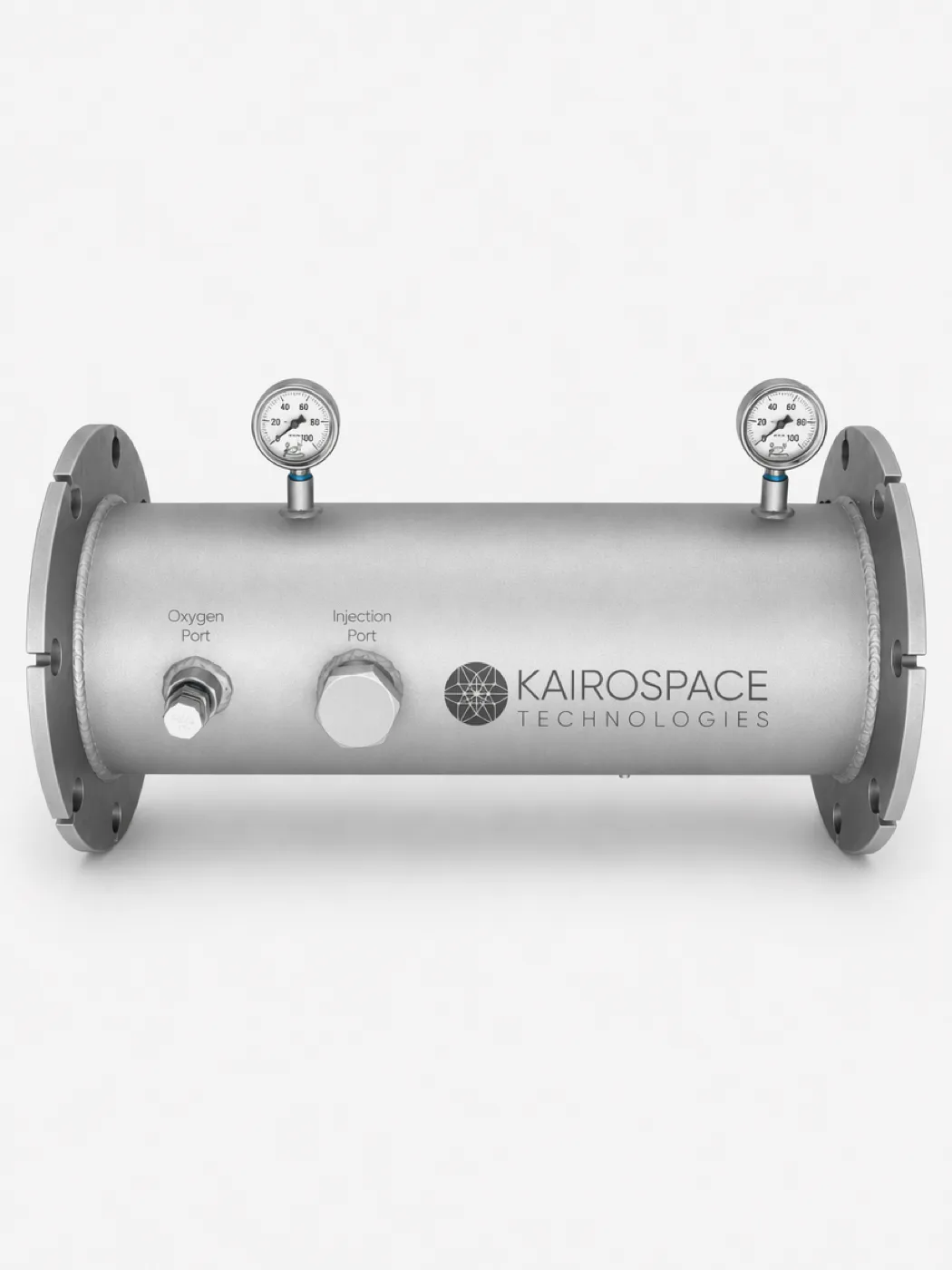
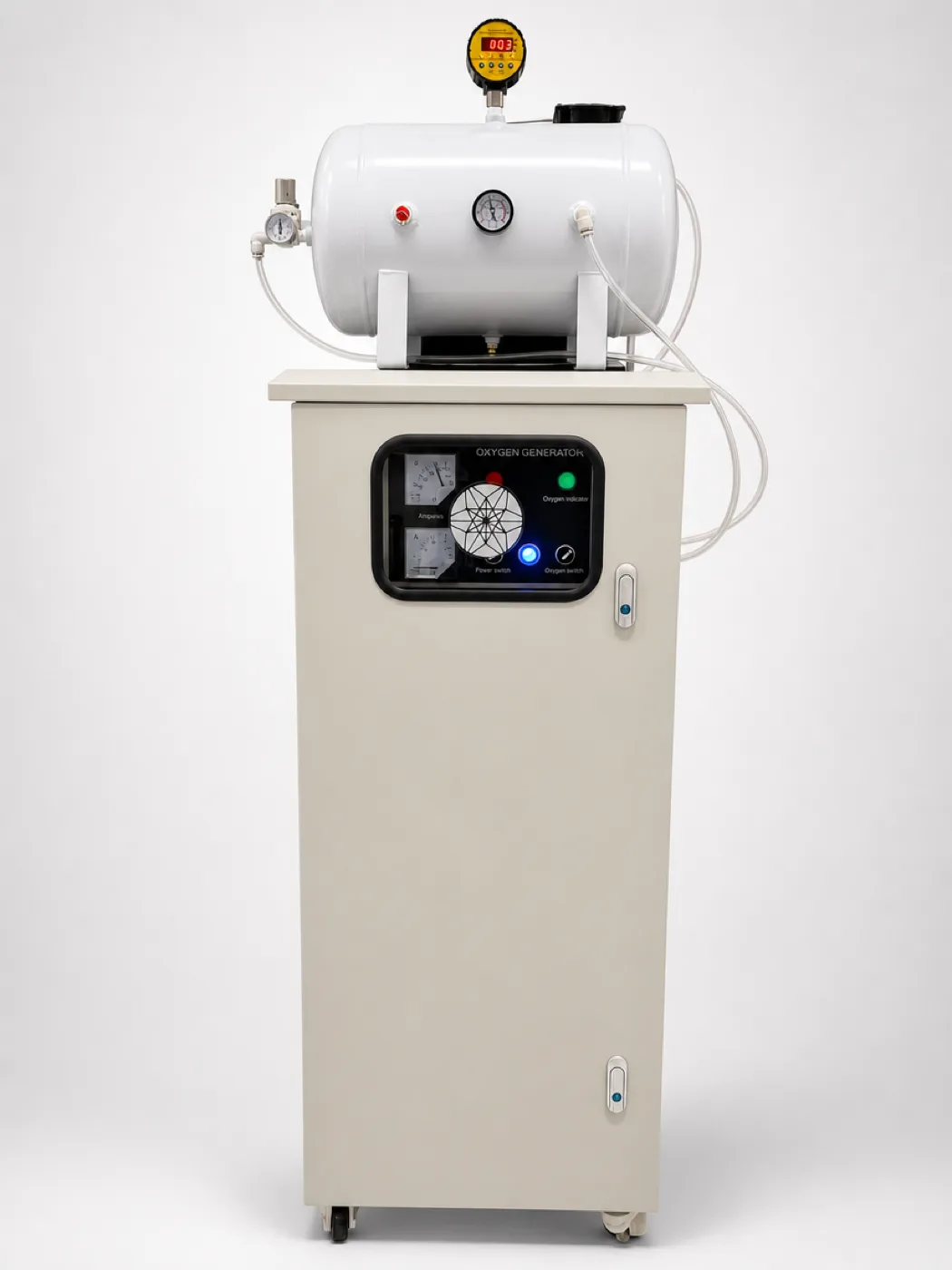
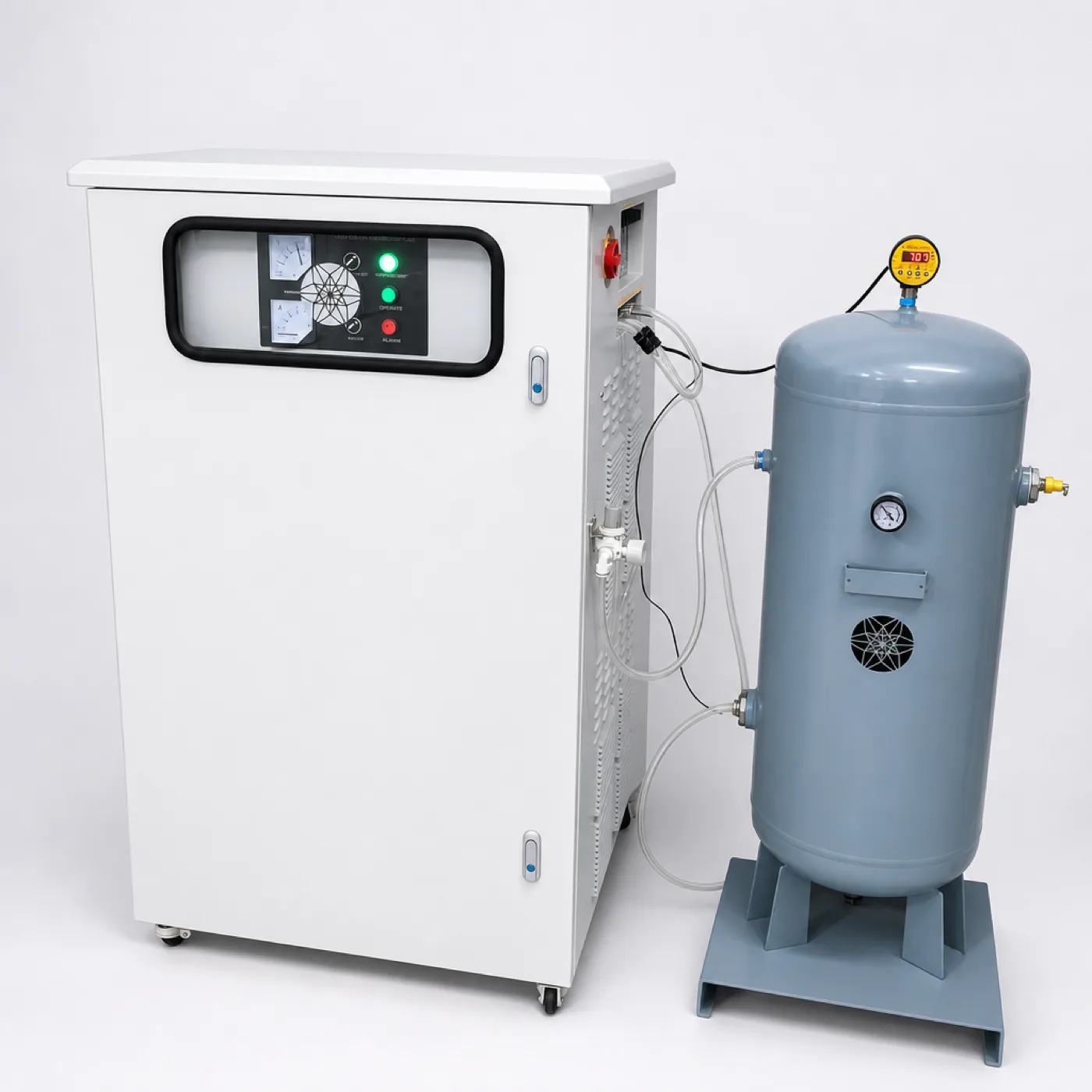
When ambient air cannot carry enough oxygen, a PSA concentrator pulls it from the air at 93% ± 3% and feeds Kairospace injectors directly. Oxygen supports the water and the roots; it does not replace your sanitation program.
Fed by these generators, our injectors have demonstrated dissolved oxygen above 30 mg/L — well past air saturation — in our deployments and in published research.
Dissolved oxygen supplied through the water column, sized on feed rate, because oxygen demand follows feed.
Concentrated oxygen supports aerobic bacteria that degrade organic pollutants; published work reports faster degradation than with air-based aeration.
Reactive oxygen species for seed treatment and AOP work.

Generates 93% oxygen at 85 PSI, matched to injector inlet pressure.
View specs →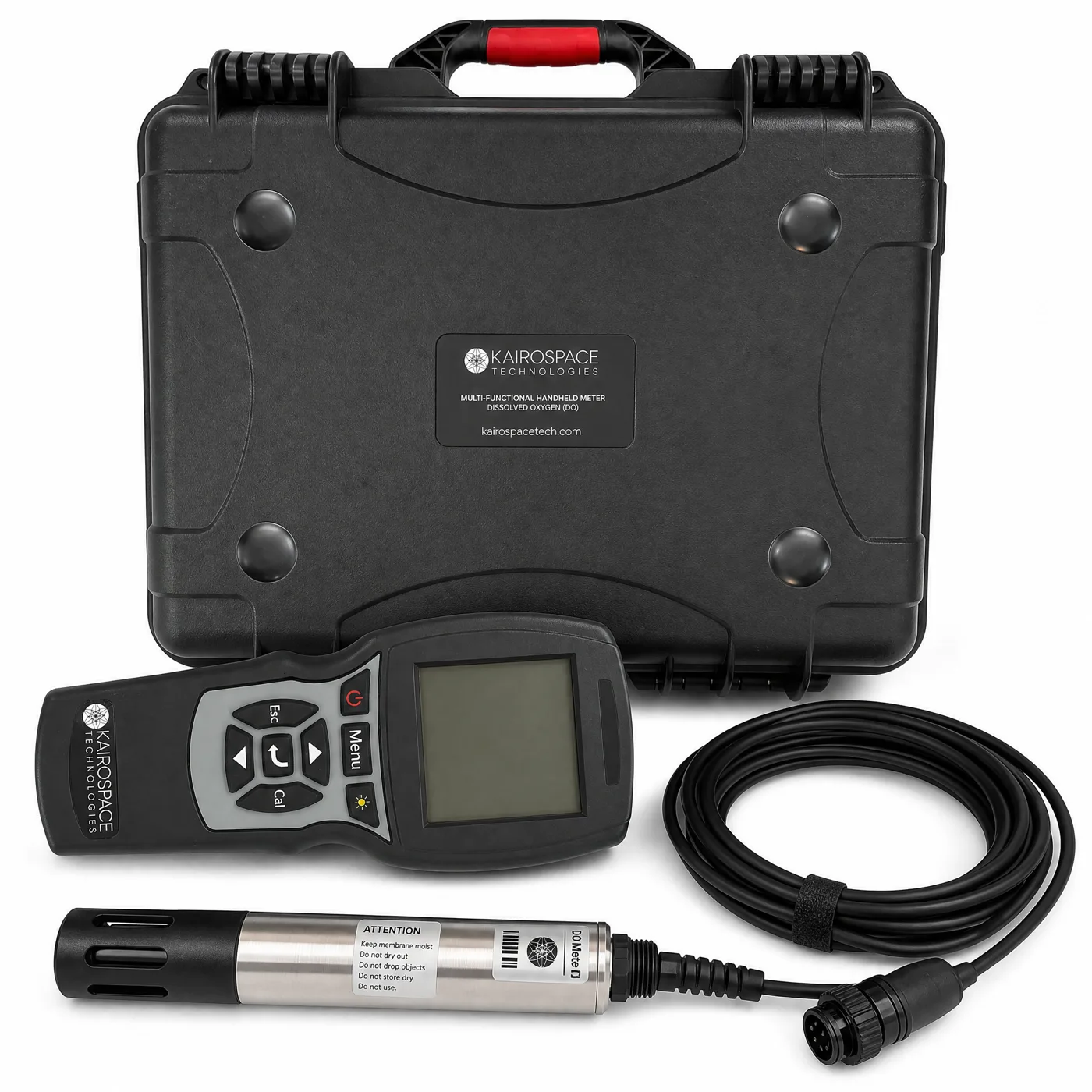
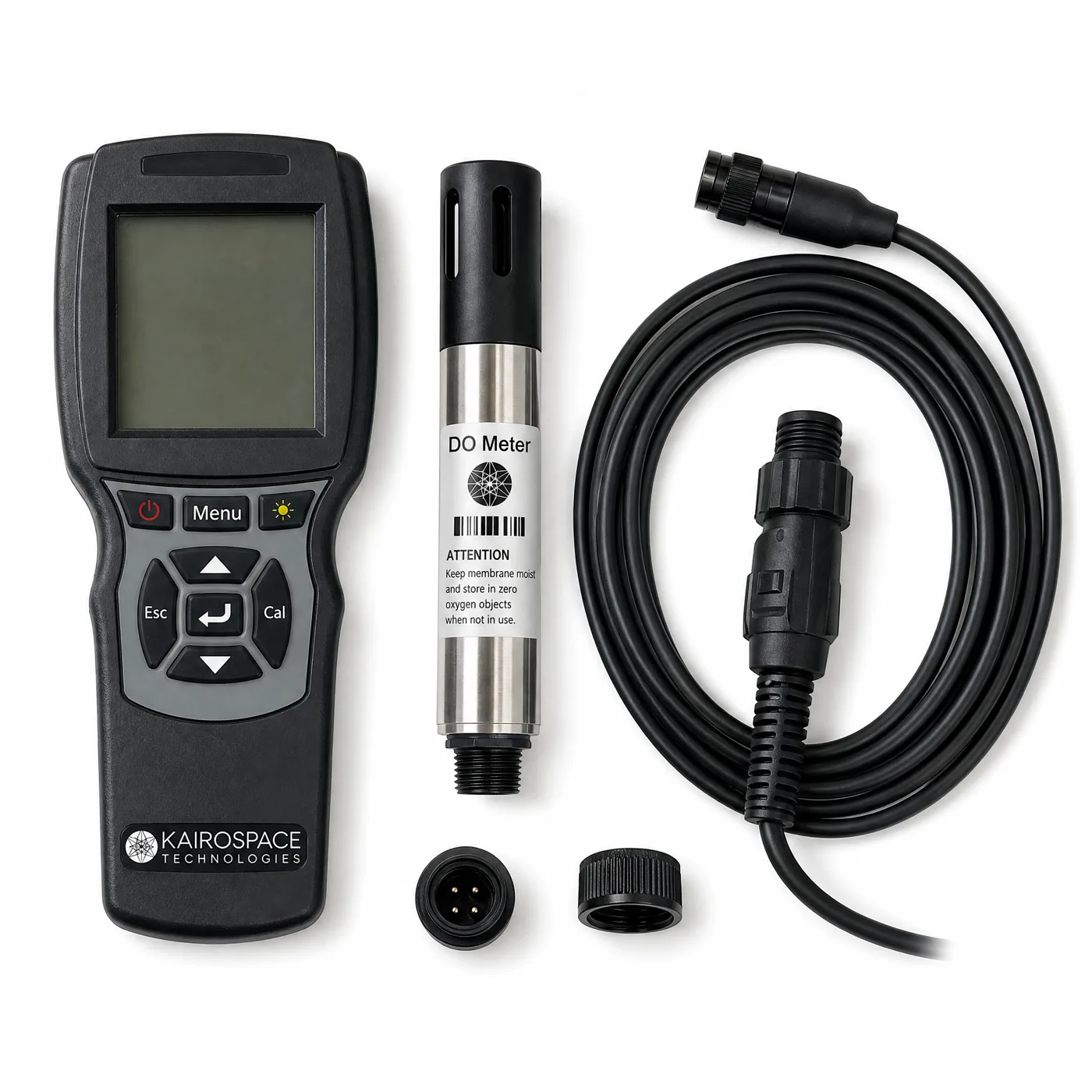
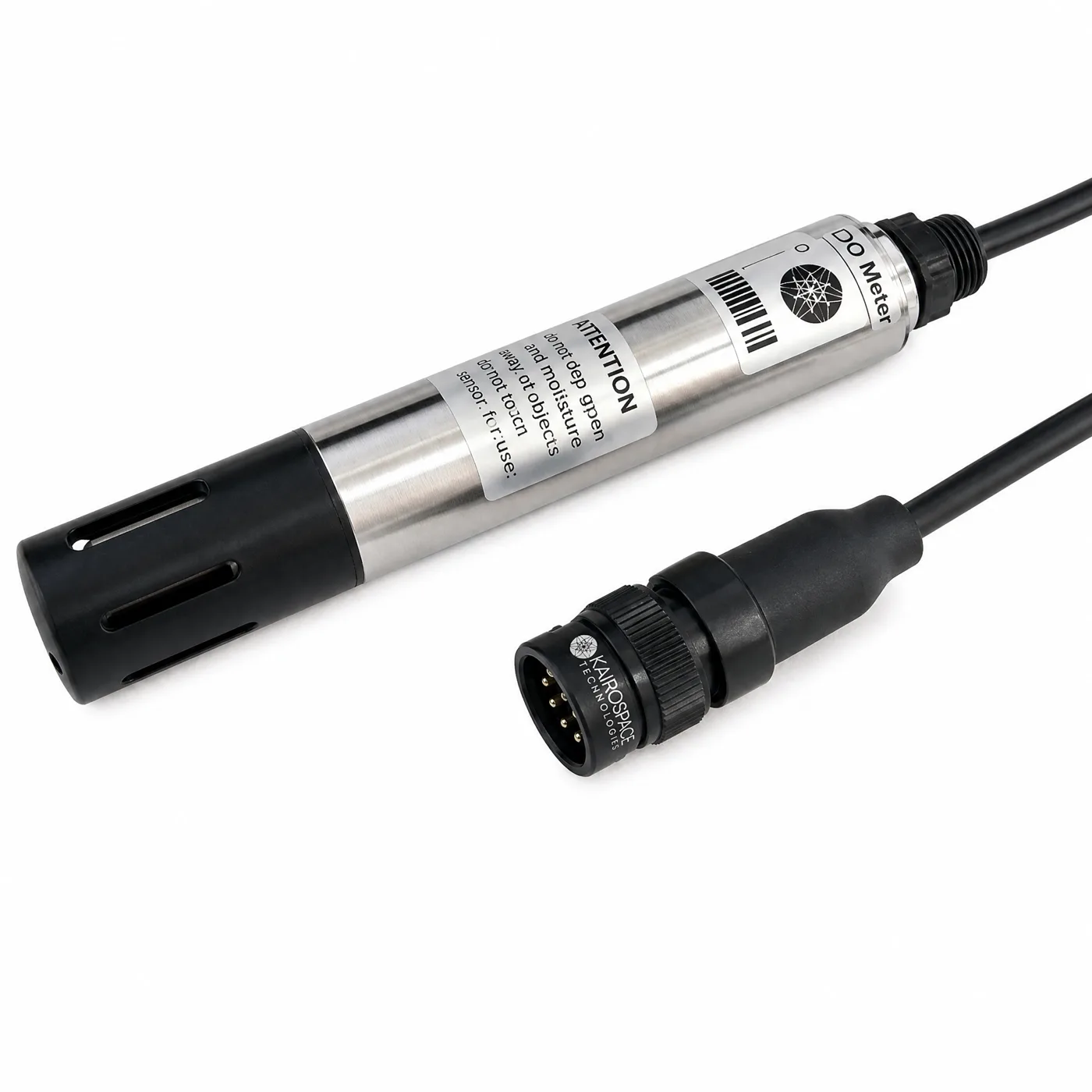
Process validation. Optical fluorescence-quenching measurement, with no permeable membrane or electrolyte to drift — laboratory-grade readings in the field.
View specs →Drop-in retrofit or engineered system: the hardware is modular either way, and we size it to your flow, pressure and goal. The quote carries the price; the calculators show indicative list pricing.