Results
- Dissolved oxygen held at 15 ppm · Customer-reported
Across the 10,000-gallon ponds, as reported by the grower. - No pond crashes and no production loss over the trial · Customer-reported
Reported for this trial period at this grower: an observation, not a guarantee. - Stable ORP and ponds the grower describes as clean · Customer-reported
The grower credits the stable ORP for pond cleanliness and consistent production. - Feedback-form ratings · Customer-reported
Ease of installation: very good. Documentation: good. Overall reliability and performance: excellent. Ease of use 8/10, value for money 9/10, likelihood to recommend 9/10. Product support rated positively; against competing systems, comparable performance with stronger technical support, in the grower’s view.
What a crash costs you. A pond crash is counted in pond-cycles: the sales that pond was due to deliver, plus the seed, labor and days already in it. The grower gave no dollar figure and we do not invent one. To size it for your ponds, take your revenue per pond per cycle and multiply it by how often you lose a pond.
What the grower asked for next
The grower asked for a larger control screen and remote access through an app. This study does not claim either one is solved. Tell us what control and remote access you need, and we will spec it for your ponds.
How it was set up
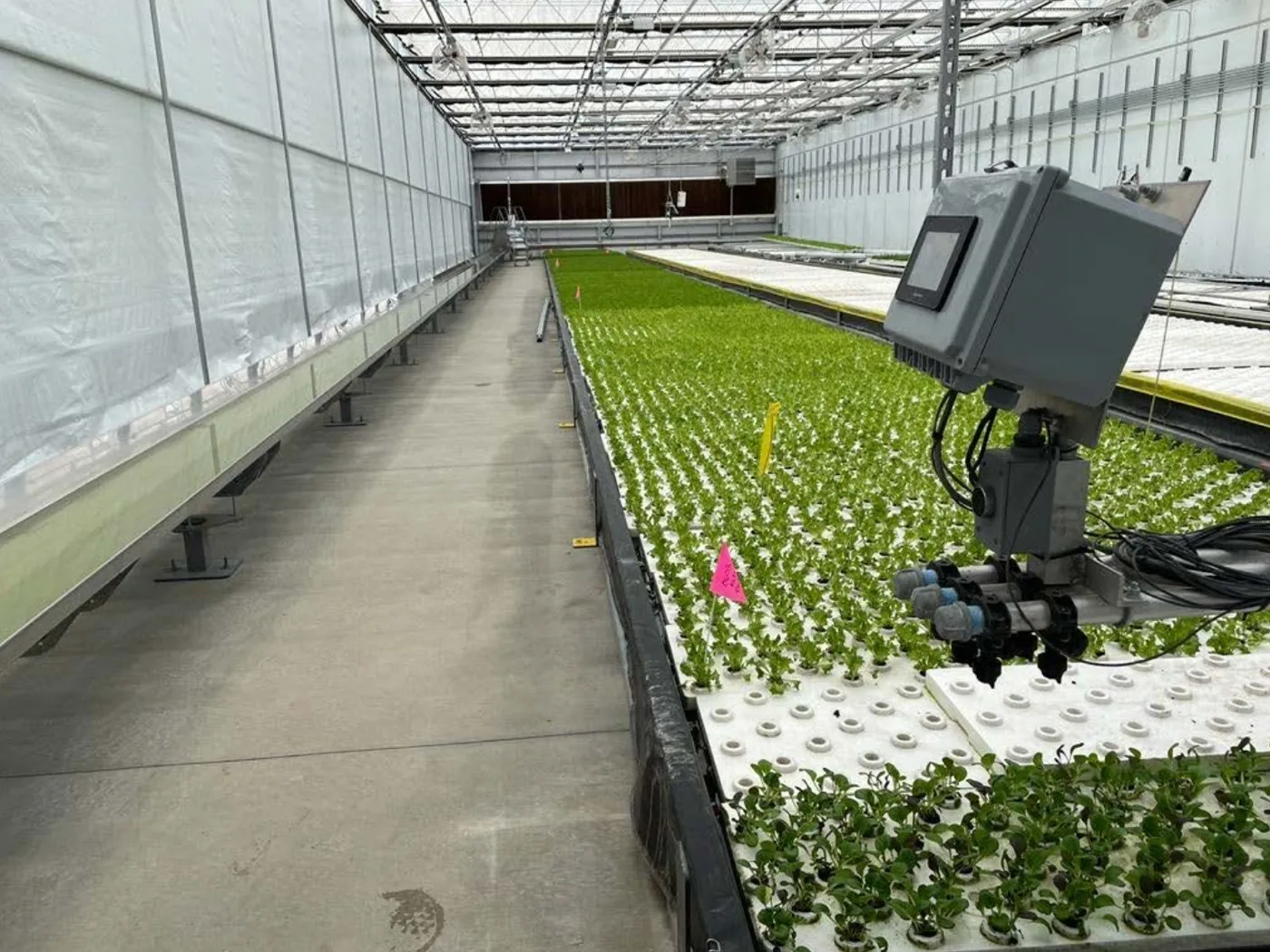
The grower, a commercial controlled-environment operation growing spinach in deep water culture, wanted tighter control of dissolved oxygen (DO) and a stable oxidation-reduction potential (ORP) in its 10,000-gallon ponds, to lower the risk of pond crashes, keep the ponds cleaner and hold production steady.
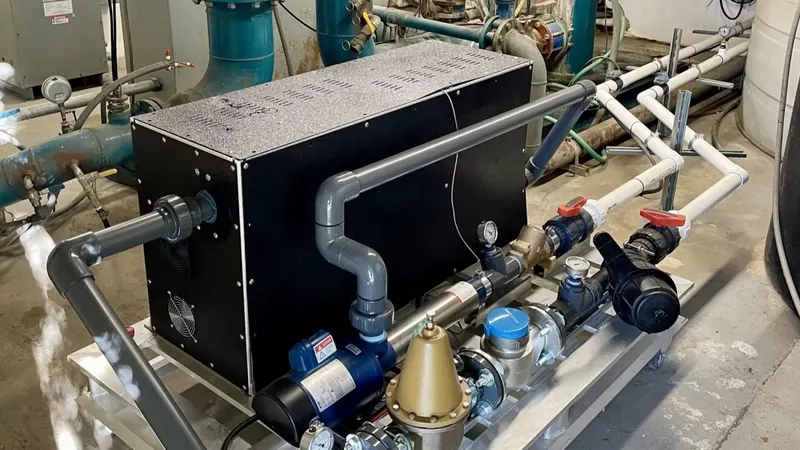
- Setting. The KST system controlling DO and ORP on the grower’s existing pond irrigation.
- Comparison. The grower’s own operation before and during the trial. No side-by-side control pond is recorded.
- Protocol. A structured customer feedback form (ratings and reported outcomes) with no other changes to the grow during the multi-cycle trial.
- Duration. 2023–2024, multiple cycles, with the system in daily use.
What this does not show
- Everything here is the customer’s report, through a feedback form. Kairospace did not take these readings.
- No control pond ran alongside, so the absence of pond crashes has no measured difference behind it.
- It records operating stability (DO, ORP, no crashes reported), not a yield or growth figure for the spinach.
- One grower, one crop. Dissolved oxygen supports a pond sanitation program; it does not replace one.
In the customer’s words
“Avoided pond crashes with leafy greens — sustained DO at 15 ppm, and sustained ORP kept our 10k gal ponds clean with no loss in production.”
Glossary
Deep water culture (DWC)
A hydroponic method in which plant roots hang directly in a reservoir or pond of oxygenated nutrient solution. It suits leafy greens such as lettuce, spinach and herbs; dissolved oxygen and pH are the variables it depends on most.
Dissolved oxygen
The oxygen dissolved in the water or nutrient solution, in mg/L or ppm. It governs root respiration and nutrient uptake, and low levels leave roots open to stress and root disease.
Oxidation-reduction potential (ORP)
A reading, in millivolts, of the water’s oxidizing capacity. Growers track it as an indicator of how well the solution is holding down microbial activity, a monitoring signal for a sanitation program, not a replacement for one.