Results
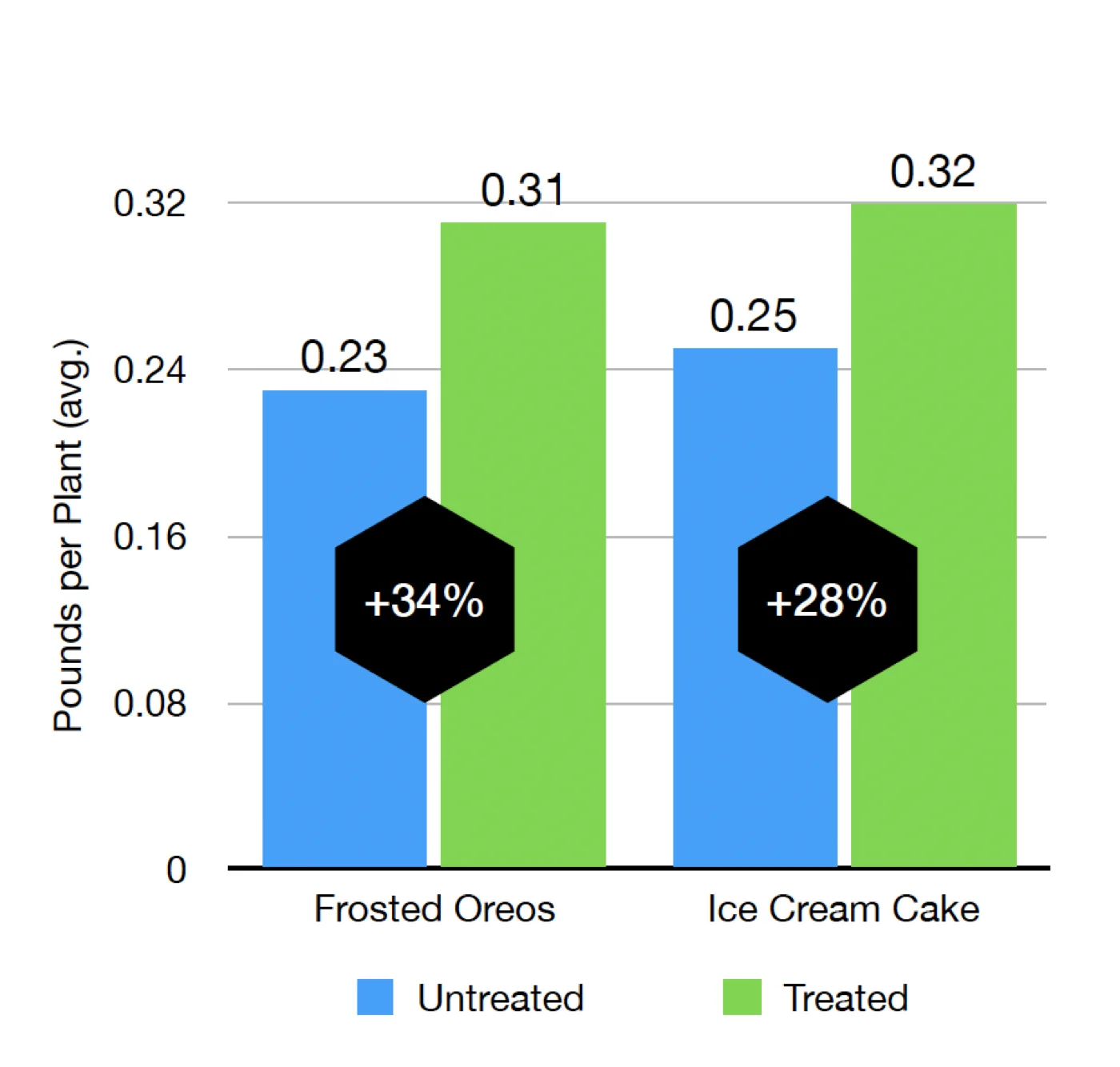
- +30% biomass · KST field data
Measured at GB Sciences, one site. On one strain, per-plant biomass went from 0.23 to 0.31 lb; the chart below shows the second strain tracked, from 0.25 to 0.32 lb. - +15% final yield · KST field data
Same site, a separate measurement. Biomass is the weight of the whole plant; yield is the saleable dried flower. The gap between the two is harvest index, drying and trim, which is why +30% biomass does not become +30% yield. - Filter cleaning cut from twice a week to once a week · Customer-reported
The grower’s report, through the feedback form. The grower attributes it to less biofilm build-up in the drip lines. - Dissolved oxygen held at about 22 ppm from the RO tank to the drip emitters · Customer-reported
The grower reports little loss of DO along the line, so the oxygen reached the emitters. - Stronger roots, faster growth, steadier substrate moisture · Customer-reported
Observed by the grower. The harvest schedule stayed fixed at 61 days, so faster growth did not shorten the cycle. - Improved potency · Customer-reported
Reported by the grower. No figure is carried here because potency was not part of the measured set.
How it was set up
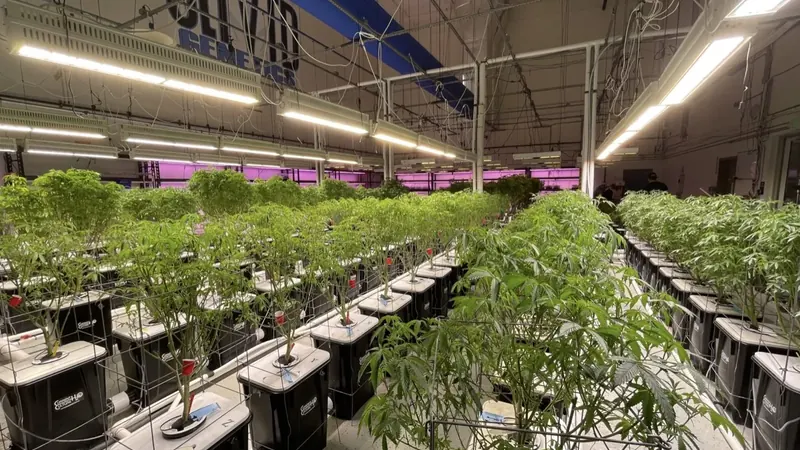
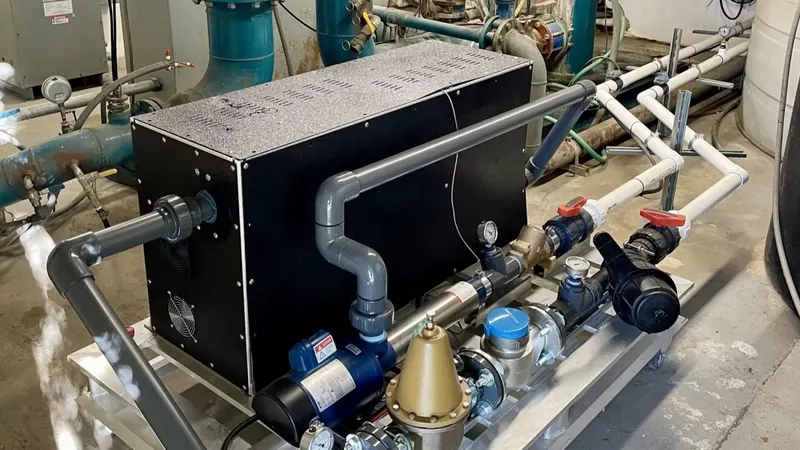
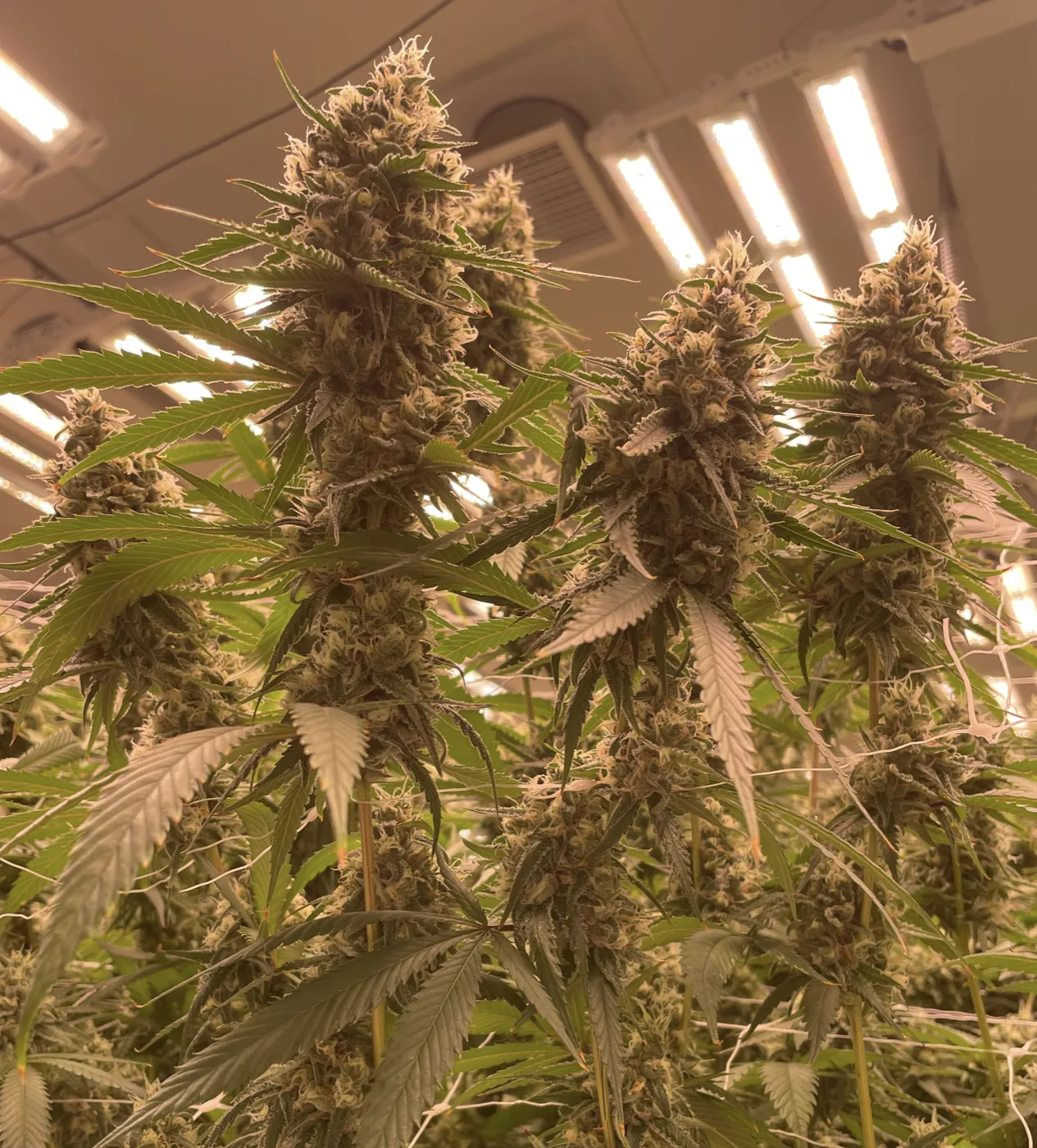
GB Sciences, a Las Vegas cannabis cultivator, added the Kairospace water treatment system to its irrigation to test two things: raising dissolved oxygen (DO) in the root zone, and keeping its irrigation lines cleaner, with less biofilm build-up and microbial growth in the pipework.
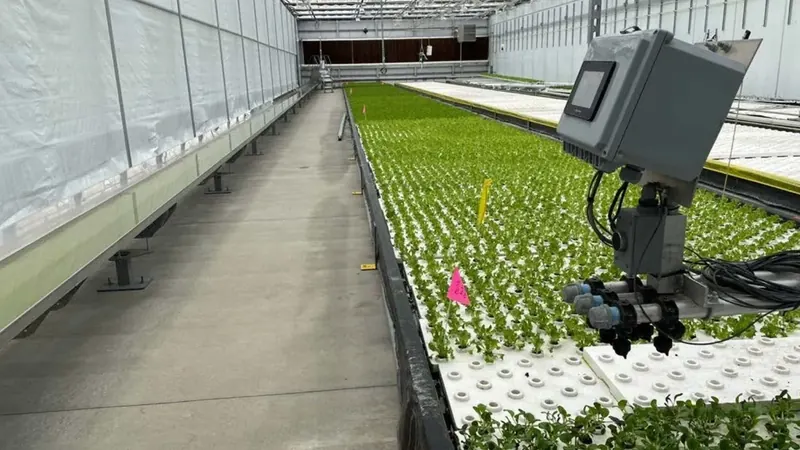
- Setting. Indoor cultivation; reverse-osmosis (RO) water treated and delivered through drip emitters to the substrate, on a fixed 61-day harvest schedule.
- Comparison. Per-plant weight before installation (untreated) against weight after (treated), tracked on two strains.
- Protocol. Data collected and verified through a customer feedback-form protocol across a multi-cycle trial. No other changes were made to the grow during the trial.
- Duration. Multiple harvest cycles; the number of harvest cycles was not recorded.
What this does not show
- One site. A demonstrated result at GB Sciences under that site’s conditions, not a replicated multi-season trial and not an expected value elsewhere.
- Biomass is not yield. The +30% is plant weight; the saleable figure is the +15%. Neither should be quoted without the other.
- Before and after, not side by side. The untreated numbers come from cycles before installation, not from a control room running at the same time.
- Filter cleaning, potency, growth and DO stability are the grower’s reports through the feedback form, not Kairospace instrument readings.
In the customer’s words
“The increased DO levels in the water provide the root zone more surface area to absorb the nutrients at a faster and more consistent rate, resulting in increased plant growth and more biomass per plant.”
Glossary
Dissolved oxygen (DO)
Oxygen dissolved in the nutrient solution, in ppm or mg/L. It is what the roots respire with, and higher DO supports root respiration and nutrient uptake. It is not a sanitizer and runs alongside a sanitation program.
Ultrafine bubbles
Gas bubbles far smaller than those from an air stone. They persist in water far longer than coarse bubbles, and the oxygen they carry dissolves efficiently.