Deeper roots. Water that soaks in.
Oxygen injected at the pump station feeds roots and the soil biology that rebuilds pore structure, so irrigation moves down instead of sitting on top. Yorba Linda CC, three months: +24.7% water penetration against two control greens.
Why it matters on your ground
Compacted, salt-loaded, oxygen-poor ground holds your root system in the top few inches, and everything downstream of that is capped with it. Oxygen in the irrigation water lets roots grow deeper and finer, lets aerobic soil biology rebuild structure, and puts the fertilizer you already bought within reach of a root system that can take it up.
Yorba Linda CC, one treated green vs two controls, three months · KST field data
FruitWorld, treated blocks, in season · KST field data · a rate, not a yield
In published research
Water that sits on top never reaches the roots
In orchards, vineyards and row crops, compaction and salt loading close the pore network. Irrigation wets the top of the profile and stops; roots stay shallow because there is nothing to grow into, and the salt each pass leaves behind stays in the layer the roots occupy. In that low-oxygen ground the aerobic microbes that build soil aggregates slow down, while the anaerobic pathways that turn your nitrogen into gas speed up. So you pump more water and apply more fertilizer, and less of both reaches the crop.
Oxygen in the water you already pump. Roots and soil biology do the rest.
We inject oxygen as ultrafine bubbles at the pump station or in the pump house. Ultrafine bubbles persist far longer than coarse bubbles, so the oxygen travels with the water through your drip or micro-sprinkler lines into the root zone instead of surfacing at the emitter. Roots respire, elongate and branch deeper. Aerobic soil biology gets the conditions it needs to rebuild aggregates and reopen pores: in published trials, total porosity rose 43% and pore connectivity by more than 355%. Water then moves down, salts leach below the root zone instead of concentrating in it, and the fertilizer you apply meets a root system able to take it up.
An injector at the pump station, oxygen made on site, a meter to prove it.
Sized to your flow rate, pipe diameter and water source. Your quote names each part, the injection point for your layout (drip, micro-sprinkler or pivot) and the circuit it needs.
- HardwareA titanium-core inline injector sized to your line, a PSA oxygen concentrator matched to it, and an optical dissolved-oxygen meter to read the result.
- InstallTies into your existing piping in 1–3 days. Hours of interruption on the treated line, not days.
- Lead time4–6 weeks from down payment to hardware on site.
- PowerA dedicated GFCI-protected circuit, commonly about 220 V / 30 A. The exact spec is in your proposal.
- Warranty3 years on non-moving parts (piping, injectors, cavitators); 1 year on moving parts (pump, oxygen generator).
- MaintenanceInjectors and cavitators have no moving parts. Pumps and oxygen generators are serviced every six months.
- Ways to buyDirect from Kairospace, through your irrigation dealer, or lease-to-own on 3–4 month terms with lease fees credited toward the purchase.
- Proof firstA one-season pilot: a treated block against an untreated one on the same irrigation schedule. Pilot fees can credit toward the full system, up to 100% on structured trials.
Measured on customer ground
Our own instruments, and the conditions each number was taken under. Single sites under their own soil and water: demonstrated there, not promised on yours.
+24.7% water penetration · measured
One treated green against two control greens on the same source water, over three months. Less water pooled on the treated surface, and paired cores showed deeper rooting on the treated plot, a visual observation. Oxygen and ozone were injected together, so the result belongs to the combined treatment.
+300% dissolved oxygen · measured
Dissolved oxygen in the treated irrigation water against the untreated supply. This is the input the penetration result came from, not a third outcome.
2.3× stem growth rate · measured
Stem growth went from 0.035 to 0.08 mm/day on treated blocks. A growth rate measured in season, not a harvest figure and not a yield.
What changes in the root zone
Deeper, finer root systems
A root only grows into ground it can respire in. Oxygen arriving with the irrigation water lets roots elongate and branch past the compacted layer instead of mounding above it: more absorptive surface, more of the soil profile in play, and trees, vines and row crops that are not living off the top four inches.
Soil biology that rebuilds structure
Soil structure is built by aerobic microbes gluing particles into stable aggregates. Starve them of oxygen and structure degrades every season no matter how you till. In published research, oxygenated irrigation raised total porosity 43% and pore connectivity by more than 355%: the biology doing work a tillage pass can only imitate for a few weeks.
Stop paying for fertilizer the root can't reach
In published trials, growers held the same yield on roughly 20–25% less fertilizer. Read that precisely: those trials hold the harvest constant and ask how far the input can fall. It is the same physical gain taken one way rather than two, a lower input rate or a bigger harvest, not both added together. How much of it your ground can take depends on how far above the crop's real requirement your program already sits.
Drought resilience built from root architecture
Deeper, denser root systems reach moisture shallow ones can't. When the heat arrives or the allocation is cut, the orchard or vineyard holds longer, not because the water changed, but because the plant spent the earlier part of the season building the architecture to survive it.
Salt moves down, not into the root zone
Salt concentrates where water stops moving. Restore pore connectivity and irrigation carries sodium below the root zone instead of stacking it in the exact layer your roots occupy, which is the difference between leaching salt and moving it a few inches. This is leaching through the soil profile, not water desalination.
Faster, more uniform stands
Early root development is the part of the season most exposed to low oxygen, because the seedling has no root system to buffer with yet. In published research, oxygenated water improved germination 15–25% with markedly more uniform emergence: fewer gaps, less replanting, and a row crop that closes canopy ahead of the weeds.
Installed on customer sites
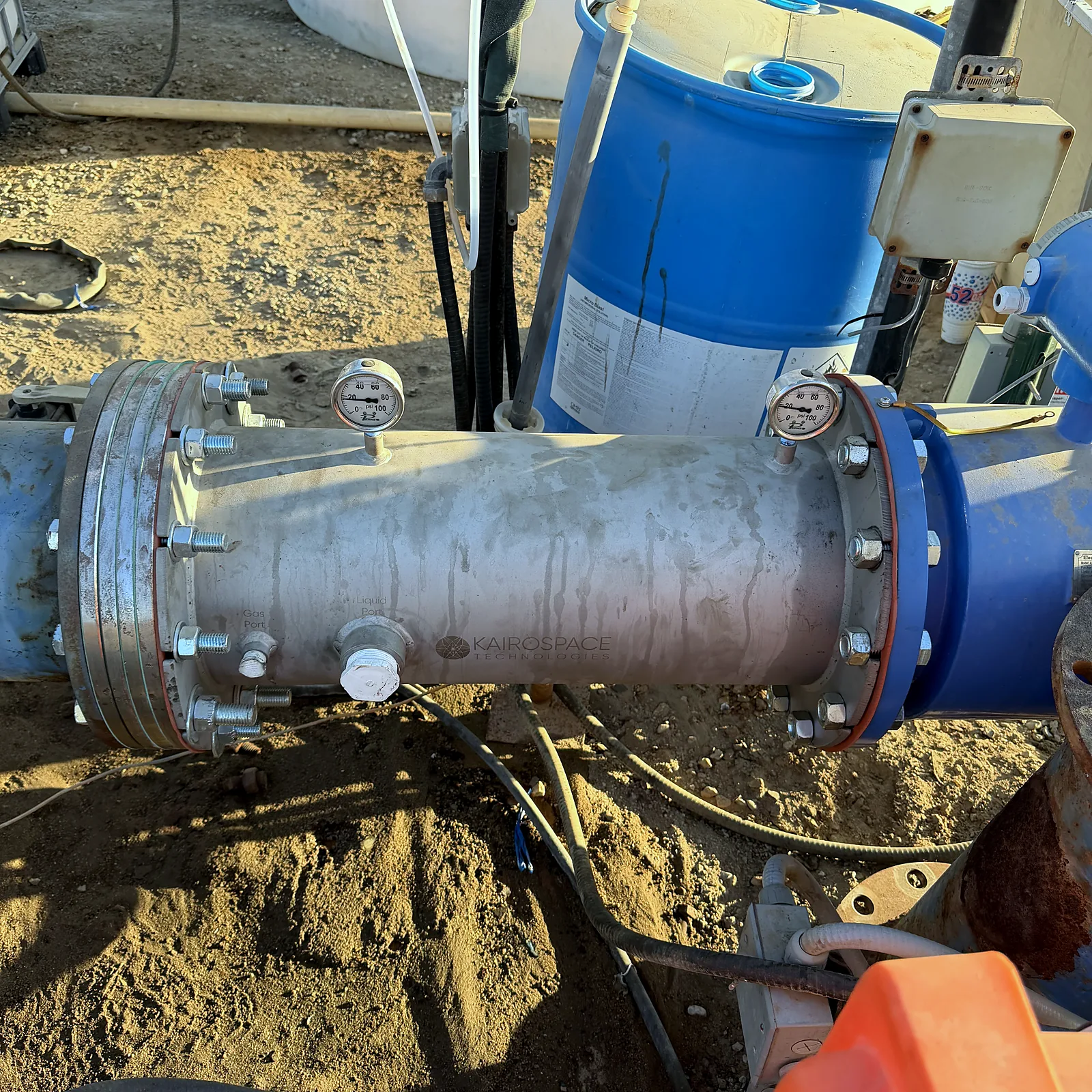
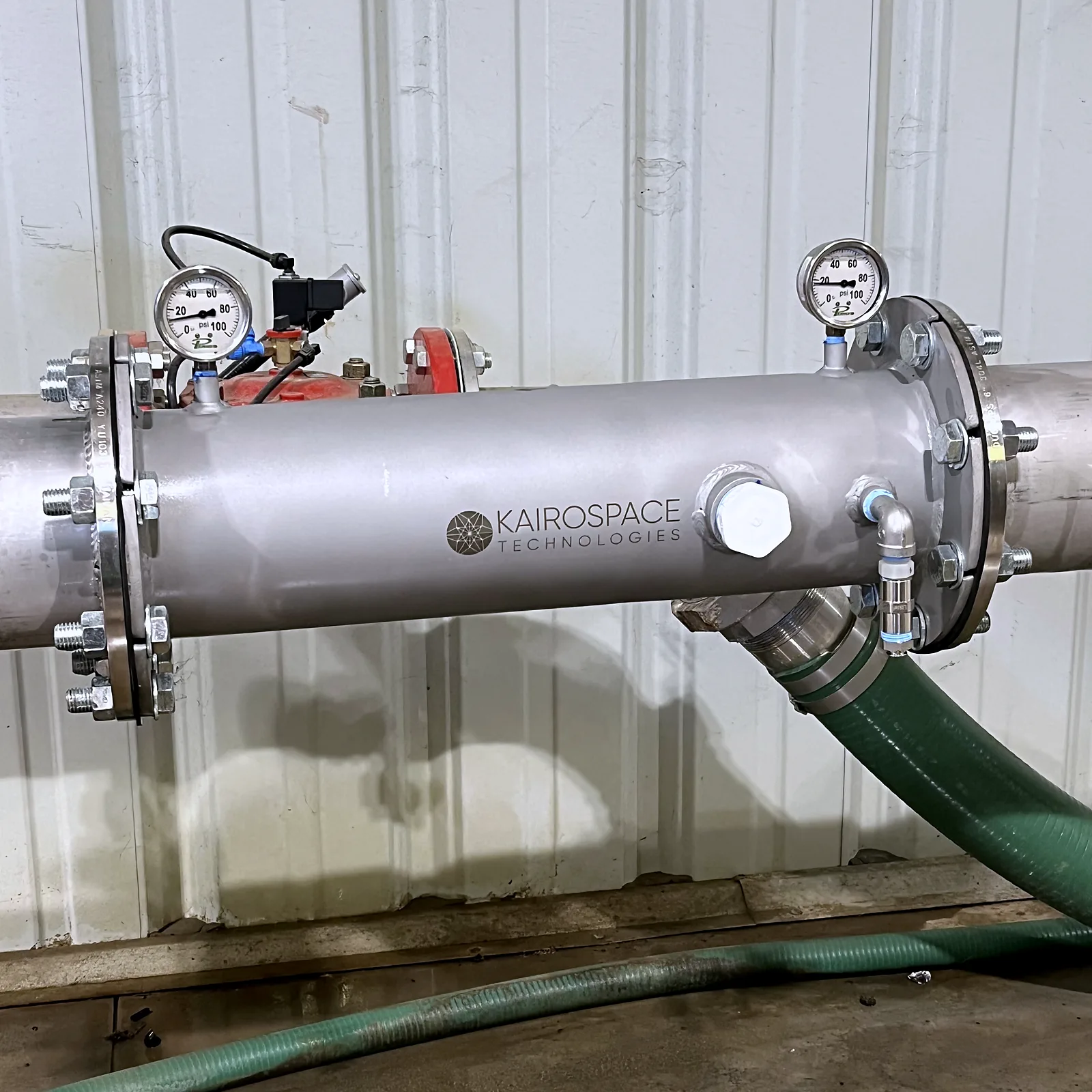
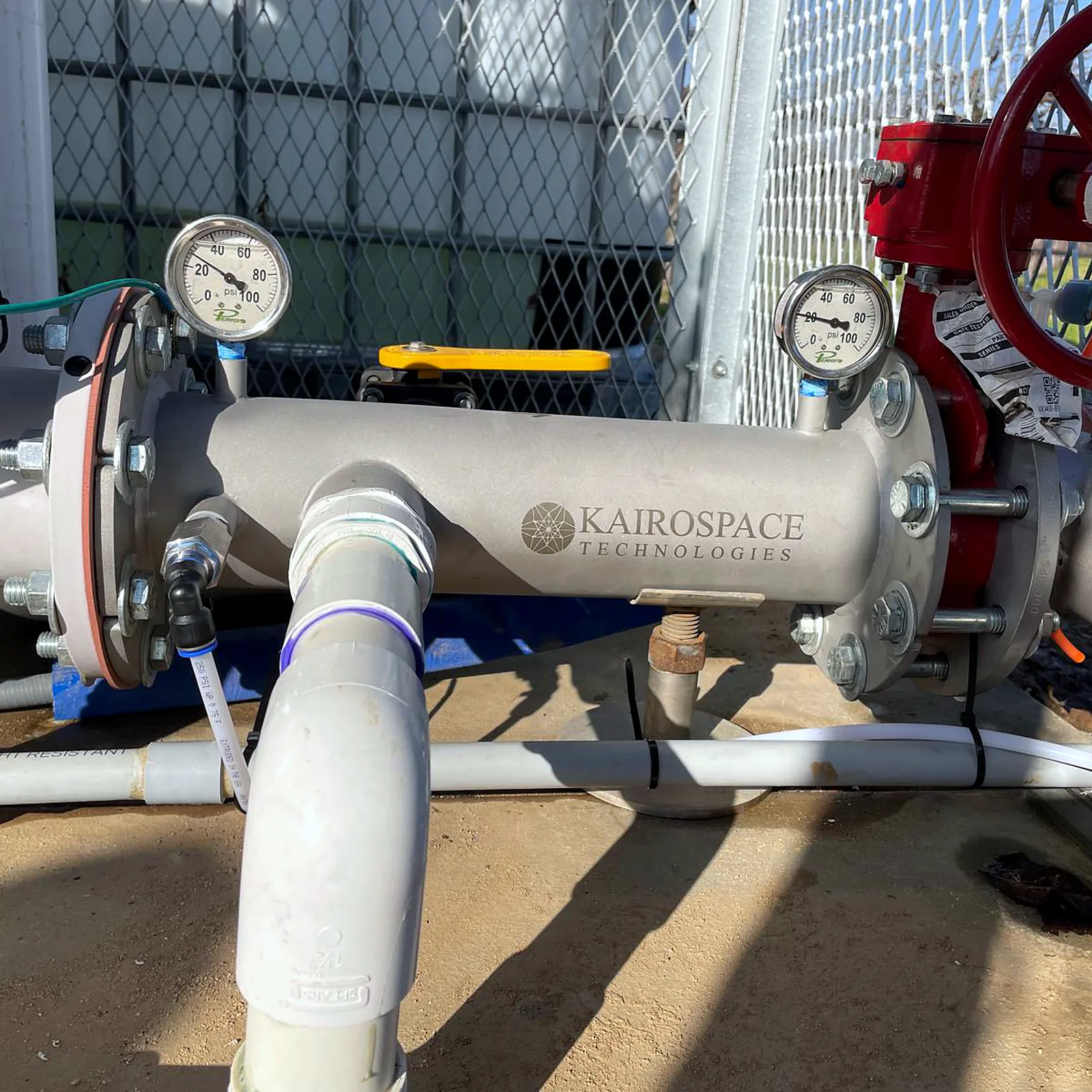
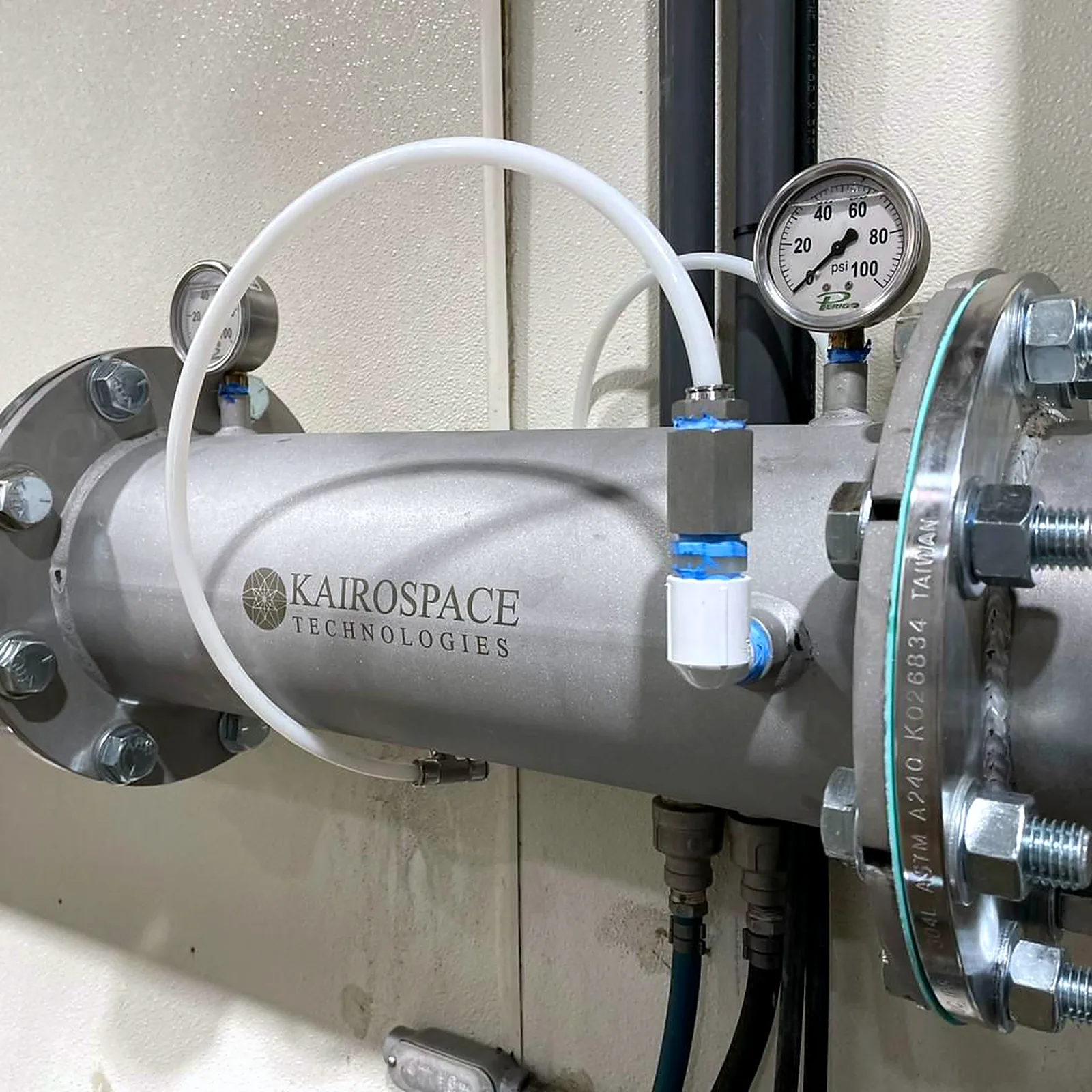
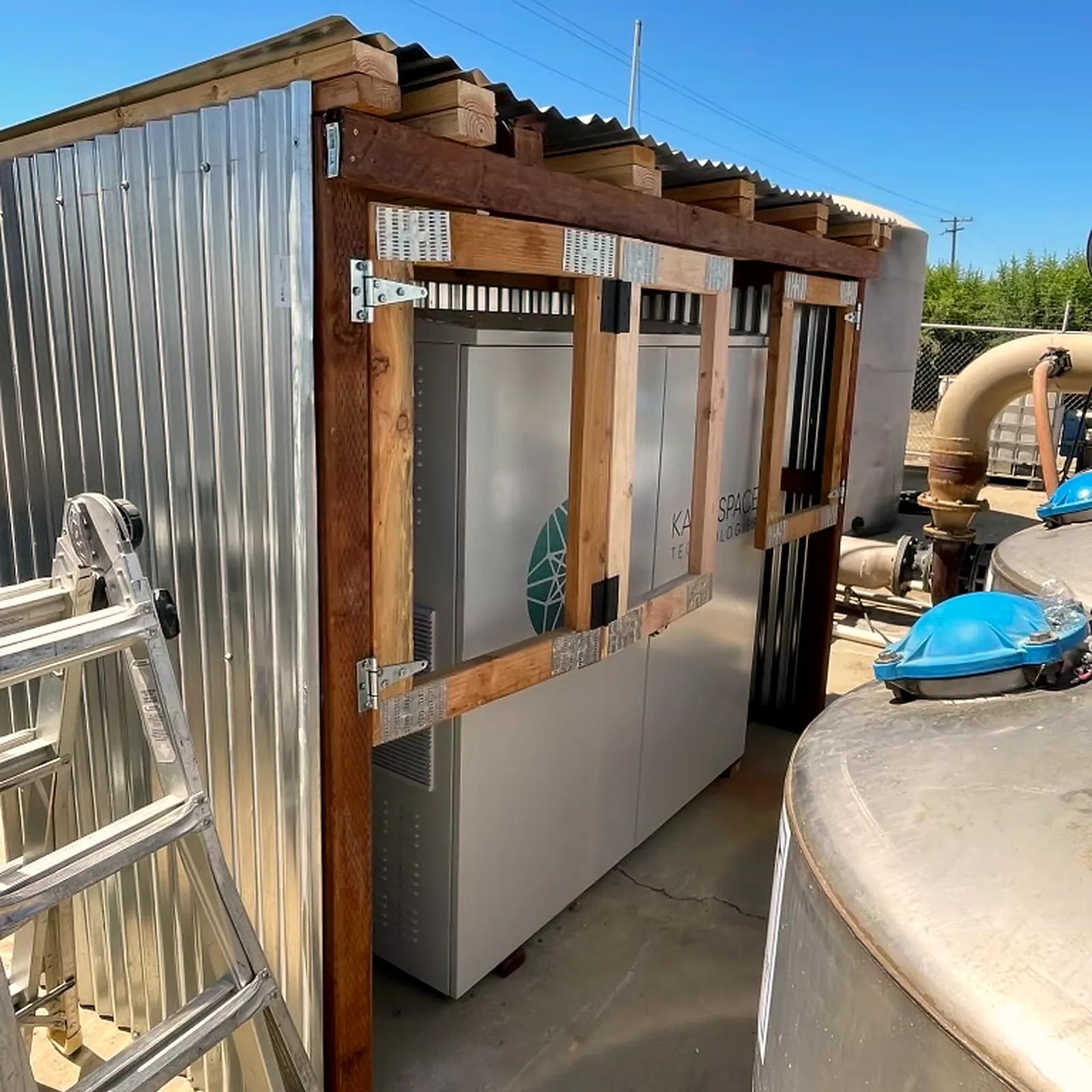
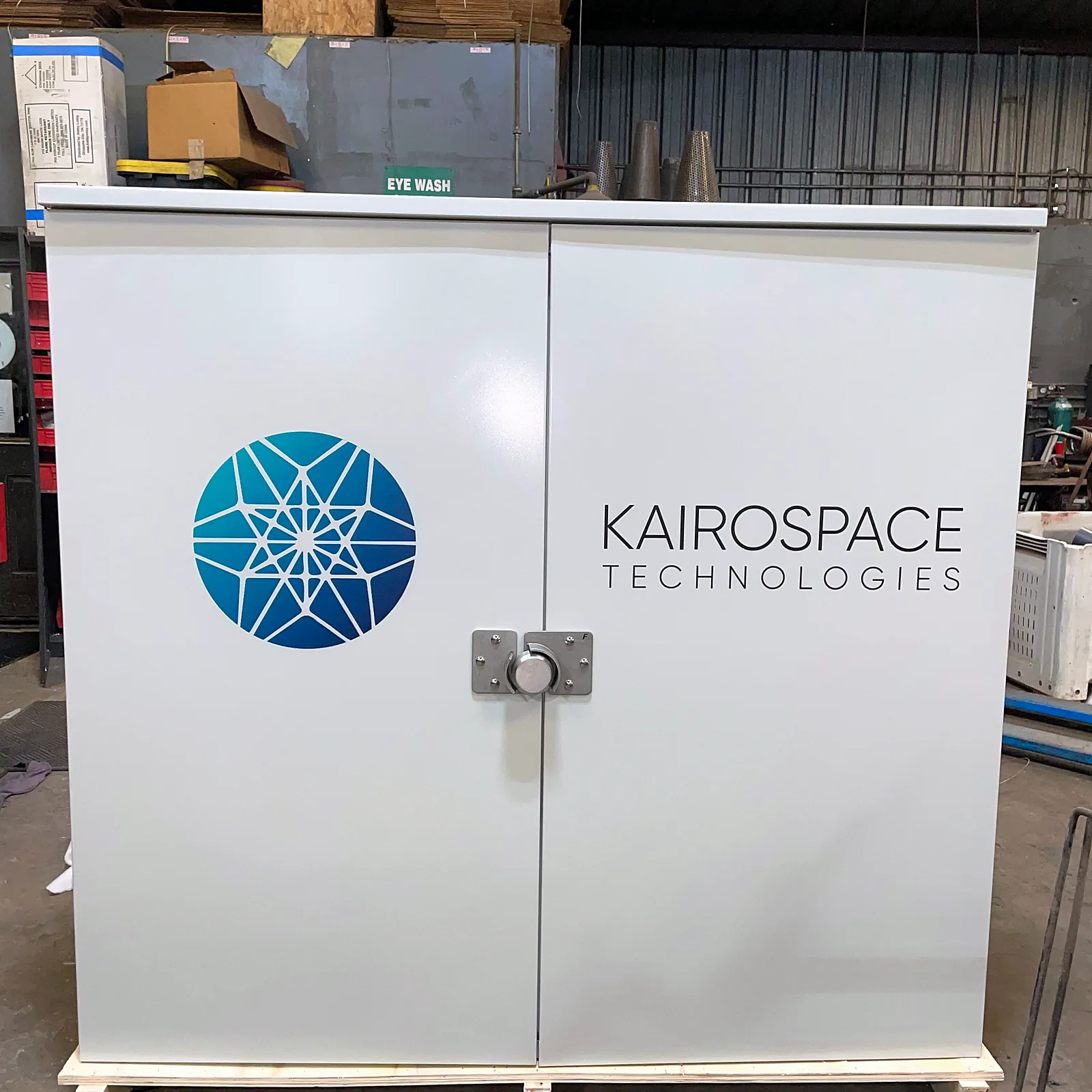
What is it worth if more of every acre-foot reaches the root zone?
Tell us your crop, acreage, water source, flow rate and irrigation setup. An engineer replies within 48 hours, with a proposal or with the questions we need to write one.
What growers ask before they buy
How do I buy it?
Three ways. Direct from Kairospace: an engineer sizes the system to your block and quotes it. Through your irrigation dealer: ask your dealer for Kairospace, or tell us your state and we will connect you with the install partner that serves you. Or lease-to-own, on 3–4 month terms with lease fees credited toward the purchase. If you want proof first, a pilot runs one season on a treated block against an untreated one, and pilot fees can credit toward the full system, up to 100% on structured trials.
What does it take to install?
At the pump station: a dedicated GFCI-protected circuit, commonly about 220 V / 30 A (the exact spec is in your proposal), access to the water line at the injection point, and a covered spot for the concentrator. The tie-in to your existing piping takes 1–3 days, with hours of interruption on the treated line rather than days, scheduled around your irrigation windows. Delivery, installation, commissioning and operator training are handled by us or by your install partner. Hardware arrives 4–6 weeks after the down payment.
Will it fit on my existing drip or pivot system?
The injector mounts inline on your irrigation main, at the pump station or in the pump house in the installs pictured on this page, so it treats the water your system already moves. We size it from your flow rate, pipe diameter and water source, and the proposal names the injection point for your layout, drip, pivot or otherwise. Because the whole flow passes through it, the calculator charges its pressure drop to your pumping bill.
Does it replace my fertilizer program?
No. It changes how much of what you apply the root system can take up. In published trials, growers held the same yield on roughly 20–25% less fertilizer. That is a matched-yield result: a lower input rate or a bigger harvest, not both added together. How much of it your ground can take depends on how far above the crop's real requirement your program already sits.
How do we prove it on my ground?
With a paired comparison over one season: a treated block or strip against an untreated one on the same irrigation schedule, with your baseline captured and the success criteria agreed in writing before anything ships. Yorba Linda Country Club ran it that way on turf, one treated green against two control greens over three months, measured with our own instruments. When a pilot converts, pilot fees can credit toward the full system, up to 100% on structured trials.
What maintenance does the system need?
Injectors and cavitators have no moving parts. Pumps and oxygen generators are serviced every six months by certified Kairospace technicians. Warranty is 3 years on non-moving parts (piping, injectors, cavitators) and 1 year on moving parts (pump, oxygen generator).
What the research says, and what we build
Each problem below is paired with the published work on it and with the hardware that puts the mechanism in your line. Figures are other people's trials unless marked KST field data.