Send us a produced-water sample. We scope a bench test on your water.
For operators treating emulsified oil in produced water at the tank battery. Send the sample and your numbers, and we write back with the test we would run, what it would measure, and where an inline unit would sit. Kairospace has no oil and gas production installation and no measured result in this application.
(Published produced-water research · other people's water)
(Same trials · your water will differ)
(Surface water handling · not a production-performance result)
What you send and what comes back
The bench test is scoped on your water, so the result is about your emulsion and not another operator's.
- You sendA produced-water sample, plus what you know: oil-in-water content, salinity, daily volume, and how you treat it today.
- We scopeThe bench test on your water: what we measure (oil in water, before and after), which gas, how much flow and how many passes, and where an inline unit would sit at your battery.
- You getA written scope, and a proposal if the case holds up. We quote no result in advance.
- Next stepIf a bench test supports it, a pilot on one line against a control. Pilot fees can credit toward the full system, up to 100% on structured trials.
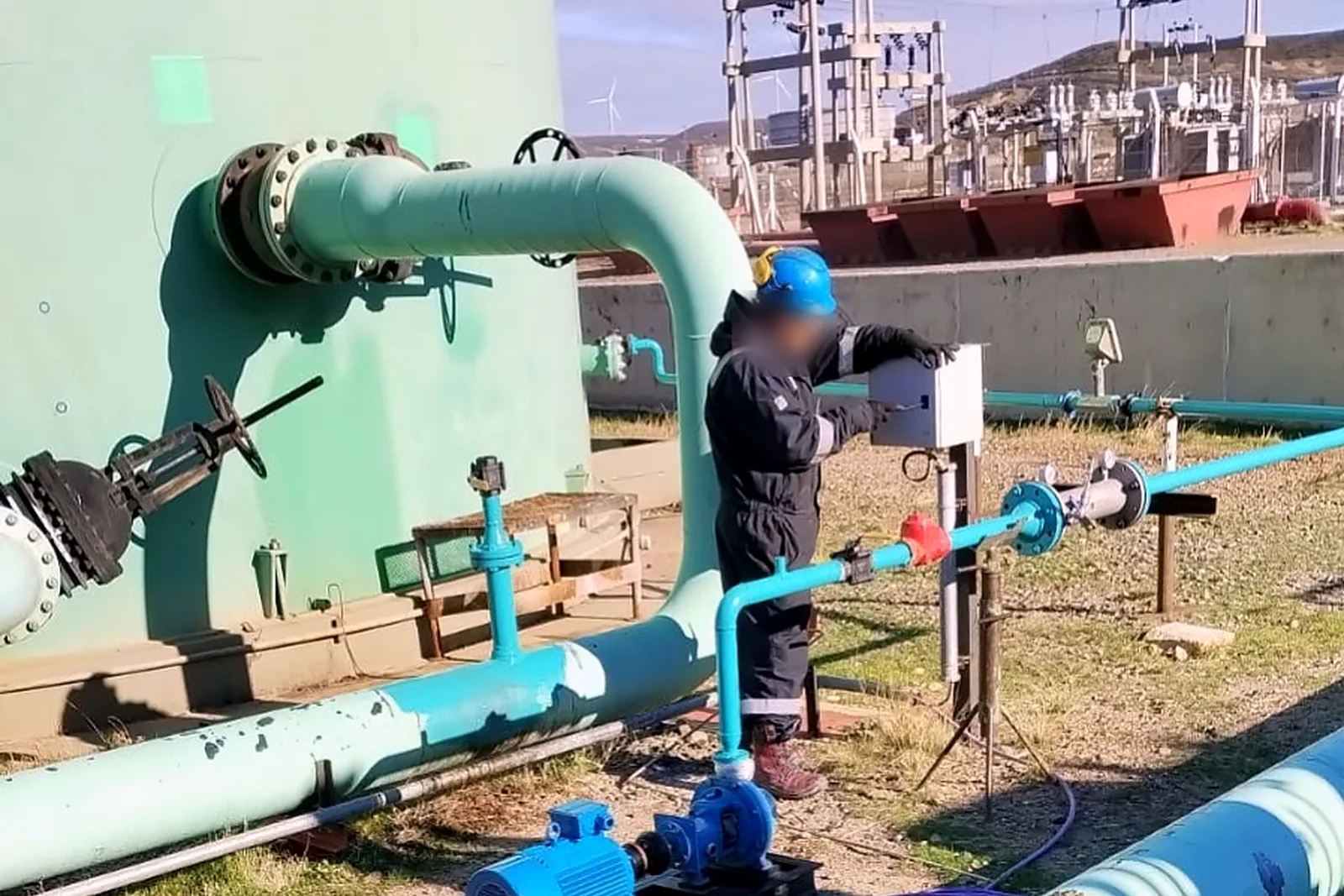
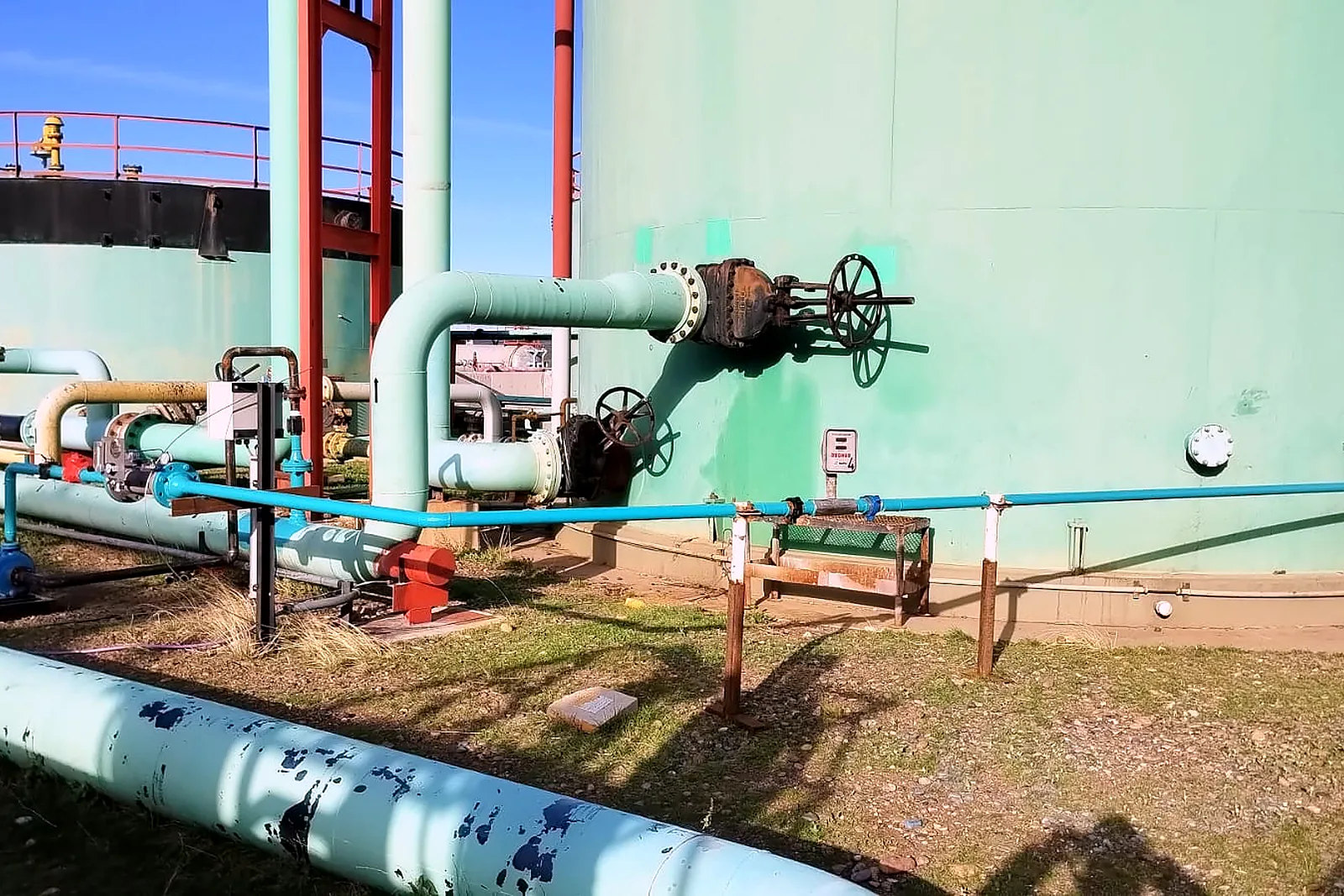
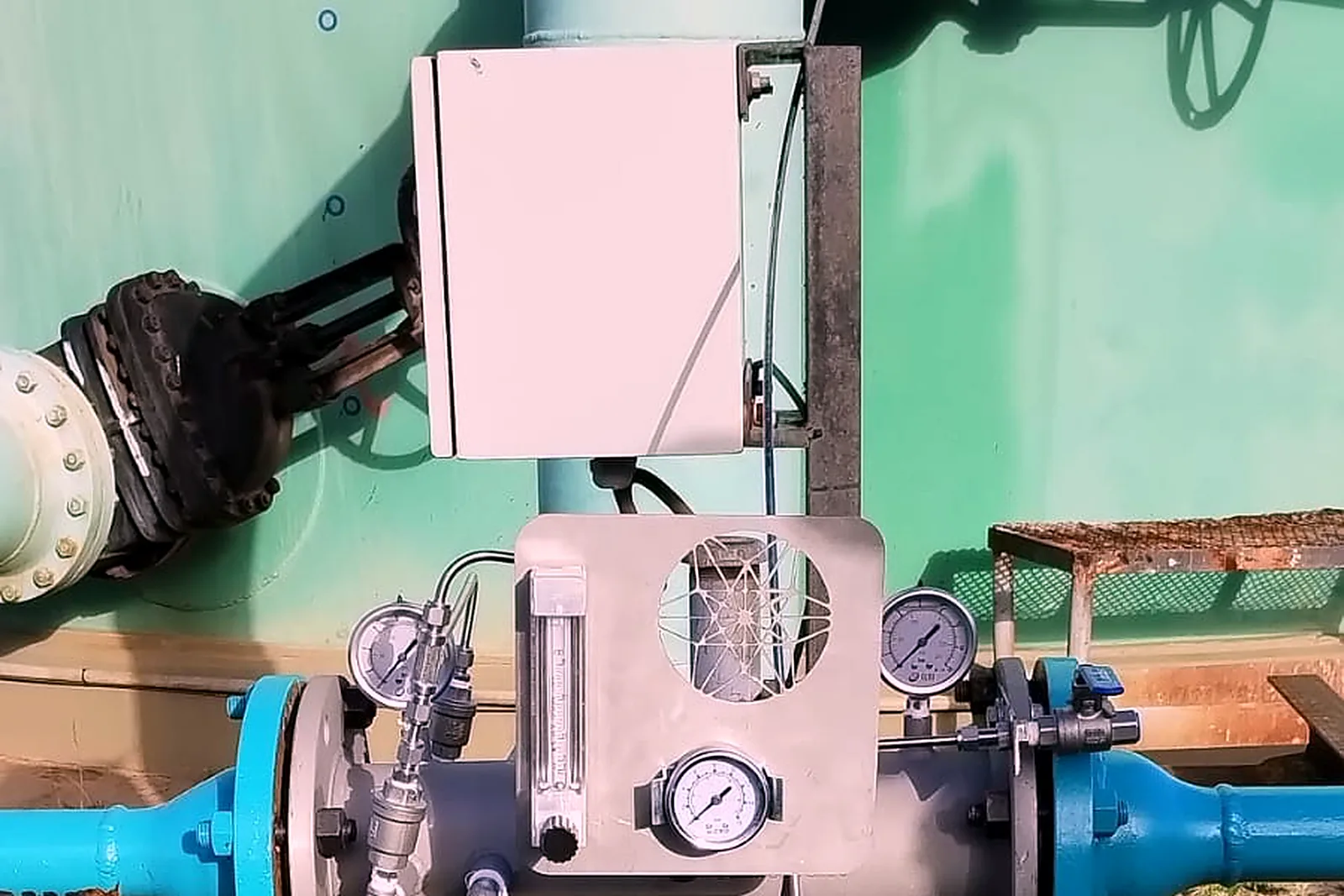
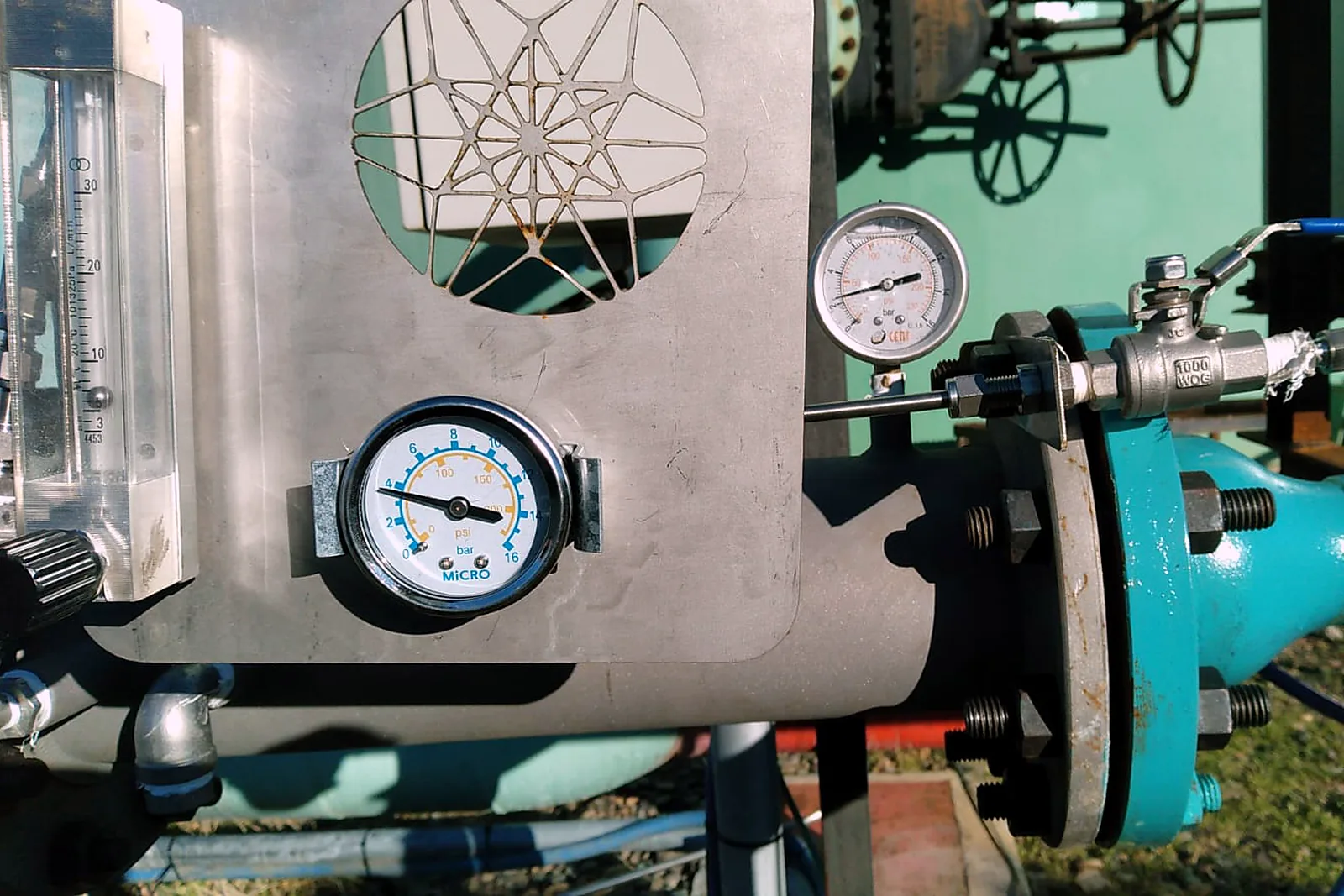
See the hardware. Installed at a tank battery.
Our injectors and our control and metering panels, tied into the surface water-handling line at a tank battery. This kit handles water. It is not an oil and gas production installation, and it gives us no production-performance result.
What buyers in oil and gas ask before a test
Do you have field installations in oil and gas?
Not production installations, and nothing measured in this application. Our injectors and our control and metering panels are installed on surface water handling at a tank battery: water-handling equipment, not a production-performance result.
What do I send, and what comes back?
A produced-water sample and what you know about it: oil-in-water content, salinity, daily volume and how you treat it today. We write back with the bench test we would run on your water, what it would measure, and where an inline unit would sit. We quote no result in advance: the published 99% separation, with residual oil under 4 mg/L, was measured on other people's water and emulsions.
Where does a unit sit at a tank battery?
Inline on existing water-handling piping, on a dedicated GFCI-protected circuit, commonly about 220 V / 30 A (exact spec in the proposal). It ties into existing piping in 1–3 days, with hours of interruption on the treated line, not days. Lead time is 4–6 weeks from down payment to hardware on site.
Why is there no calculator for oil and gas?
With no field data of our own in this application, the honest figures are wide published ranges, and a calculator would hide that spread. We do a worked analysis instead: we map the published work onto your operation and say where inline hardware would sit and where it would not. If a bench test supports it, the next step is a pilot on one line against a control; pilot fees can credit toward the full system, up to 100% on structured trials.
What the research reports
Figures are from published studies, not Kairospace measurements. Results depend on flow, dose and passes: the produced-water item is what the bench test checks on your water. The rest are other uses in the literature that we do not offer as tested outcomes.
- Produced waterUltrafine-bubble flotation separated crude oil at 99% efficiency, with residual oil under 4 mg/L, and outperformed the microbubble systems in the same work. Droplets under 20 μm are the hard part. Oliveira et al., 2017 Shen et al., 2022
- Heavy-crude viscosityCavitation lowered viscosity by up to 40% (reported range 33–84%), with a modest rise in API gravity. The range is a bound on plausibility, not a design figure. Askarian et al., 2017 Wan et al., 2019
- Enhanced oil recoveryCO₂ and N₂ ultrafine bubbles raised oil recovery by 17.6% (sweep efficiency) in published work. Cai et al., 2024 Elnaggar et al., 2025
- AsphaltenesUltrafine bubbles carried nano-inhibitors and delayed asphaltene precipitation in published micromodel work. Shadervan et al., 2024 Pourkarimi et al., 2021
- DesulfurizationCavitation-assisted oxidative desulfurization lowered the sulfur content of a heavy fuel oil measurably. Kuimov & Minkin, 2021
- Contaminated sands and soilSelf-collapsing ultrafine bubbles removed most of the oil from contaminated sands and detached most of the total petroleum hydrocarbons from soil. Agarwal et al., 2016 Sun et al., 2019 Chen et al., 2023
- BiofilmOzone ultrafine bubbles oxidized sulfate-reducing bacteria and the biofilm they build. We quote no kill rate because none of the work measured one.